




Middle School
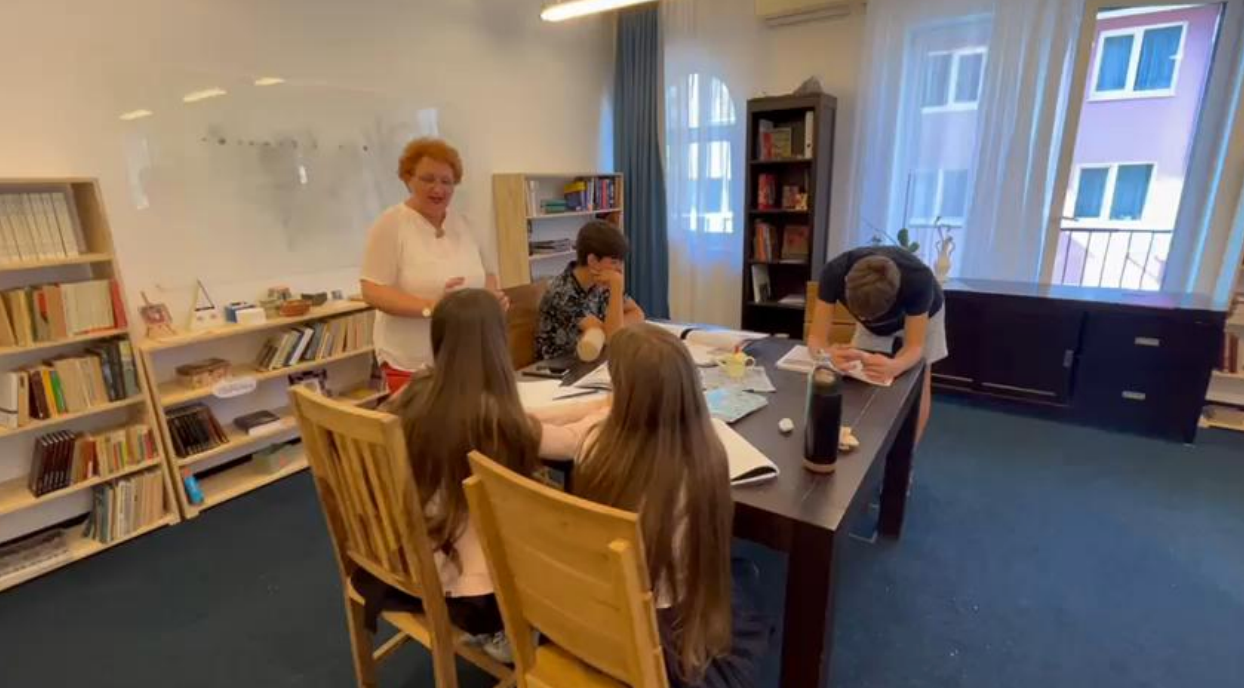
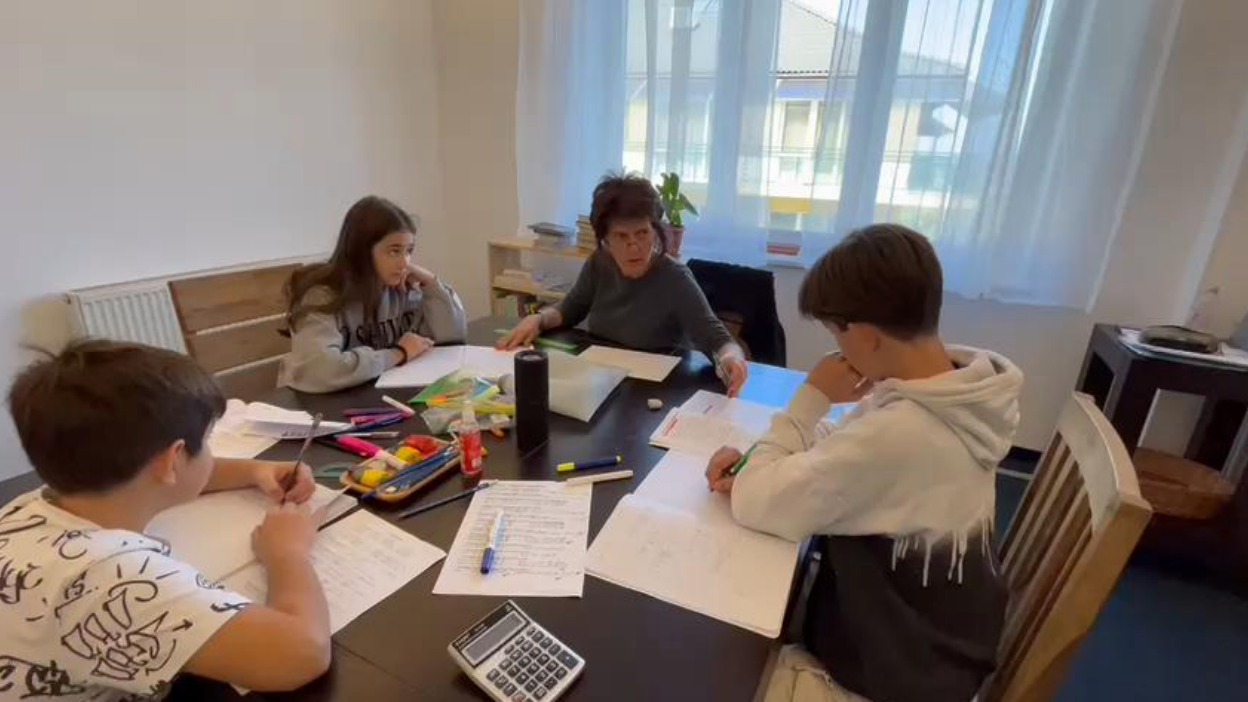
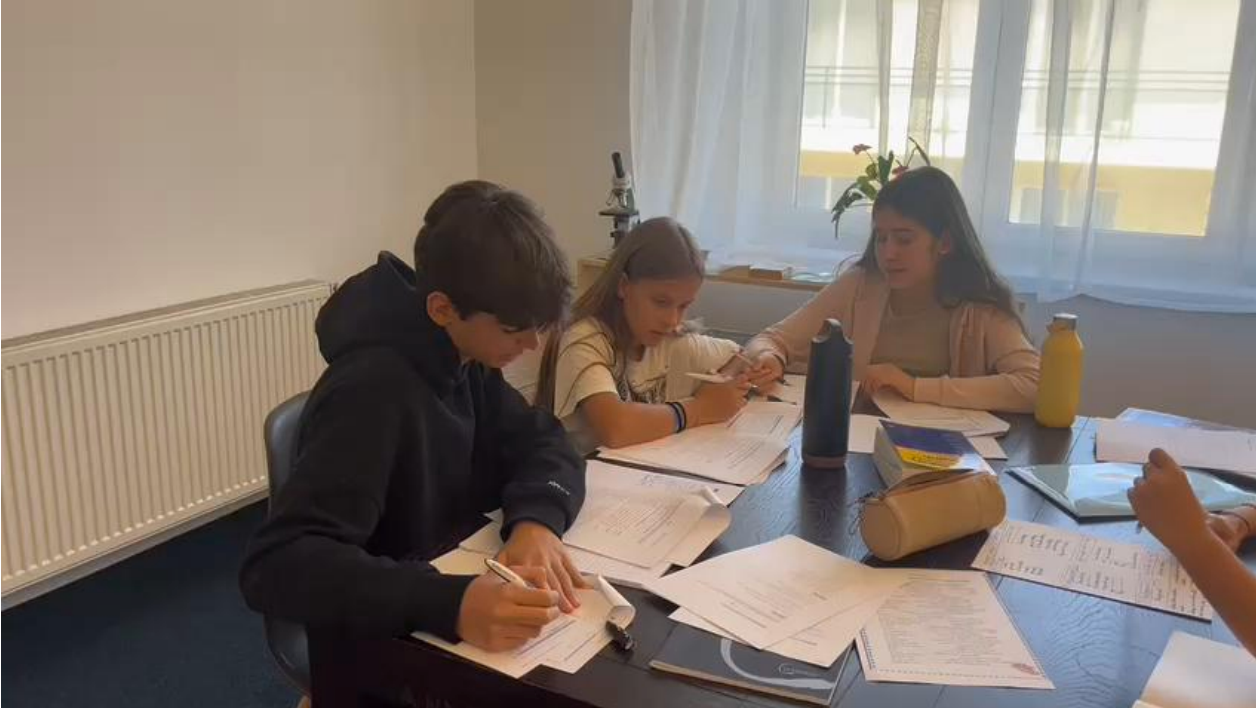
A prepared environment for children aged 12 to 15.
Our mission is to unlock each child’s potential and create the right environment for the future adult they are becoming
12+
Years of Experience
450+
Graduates
700+
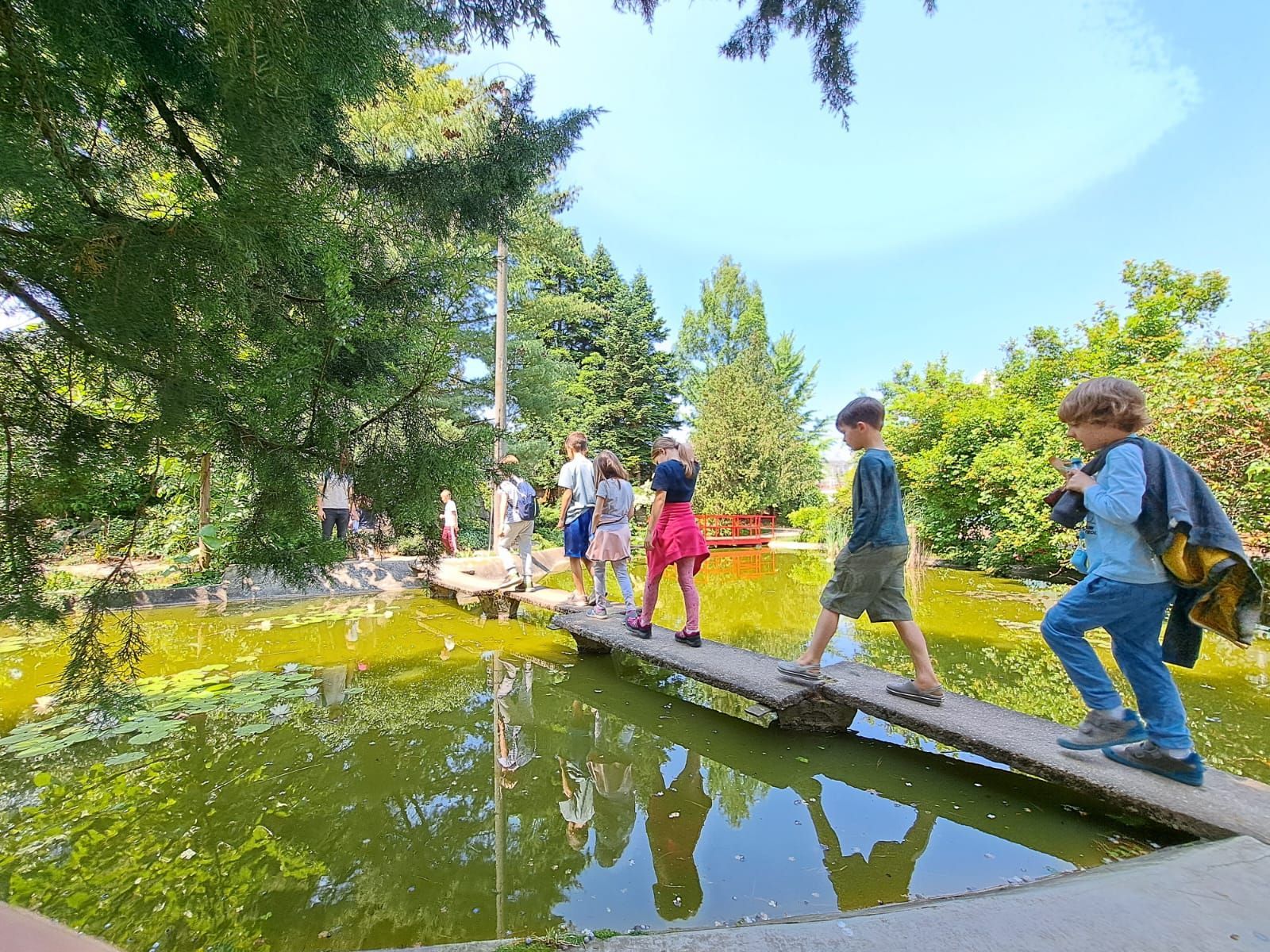
Outings
100%
ISU,DSP,DSV, MEC
Our Mission
Whole, happy, self-aware children
Developing independence, responsibility and initiative in meeting their own needs as the foundation for self-confidence
✓ Developing self-will
✓ Respect, care and appreciation for others
✓ Developing an active and harmonious relationship between children and the environment around them and the community they belong to
✓ Fostering a sense of satisfaction in work completed ✓ Connecting with reality and encouraging creativity

Independent, socially integrated adults
From the perspective of Montessori pedagogy, educational activities for ages 12 to 18 should not be limited to learning and acquiring academic knowledge, but should cover a range of abilities that prepare young people for the future.

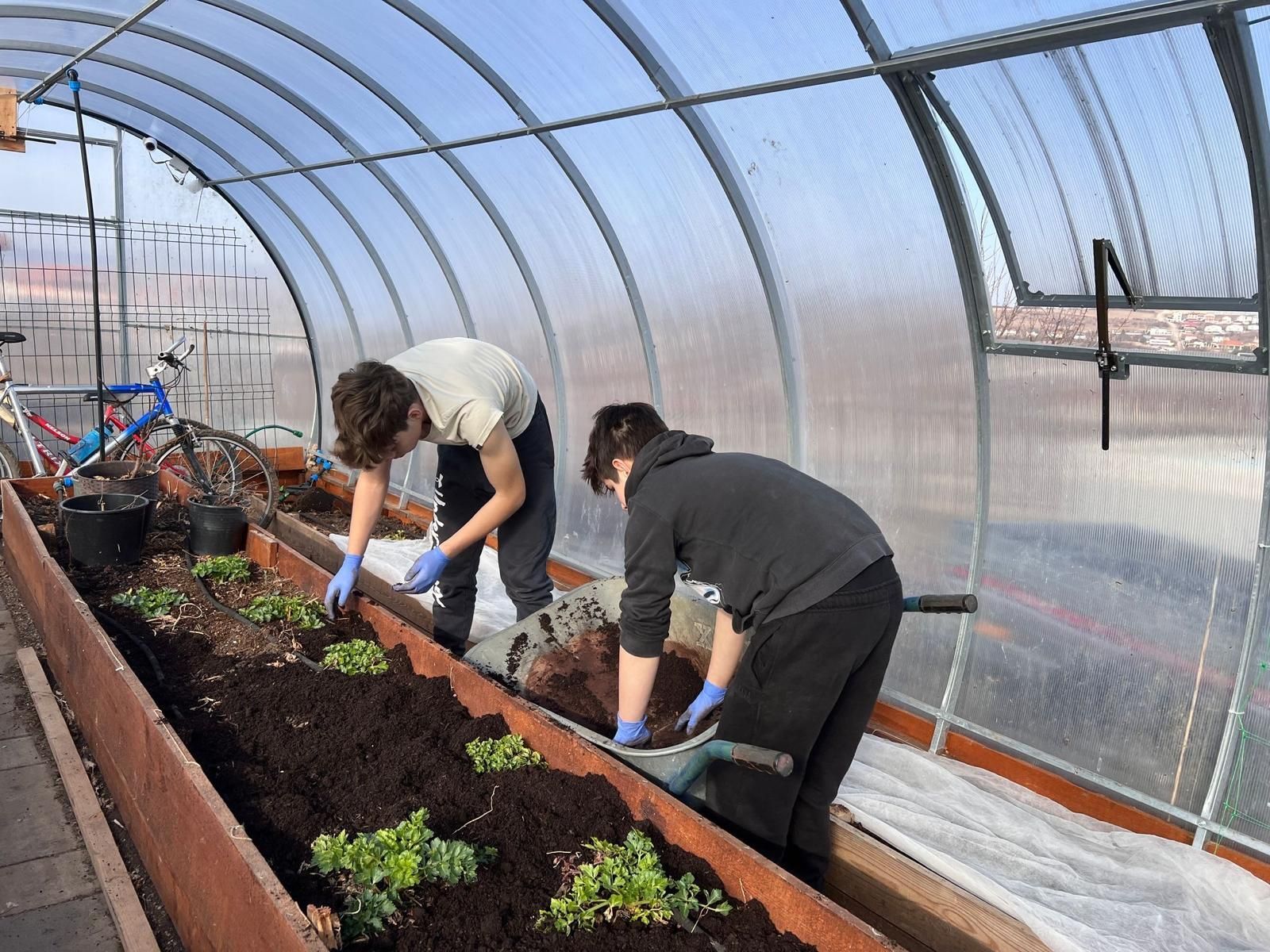
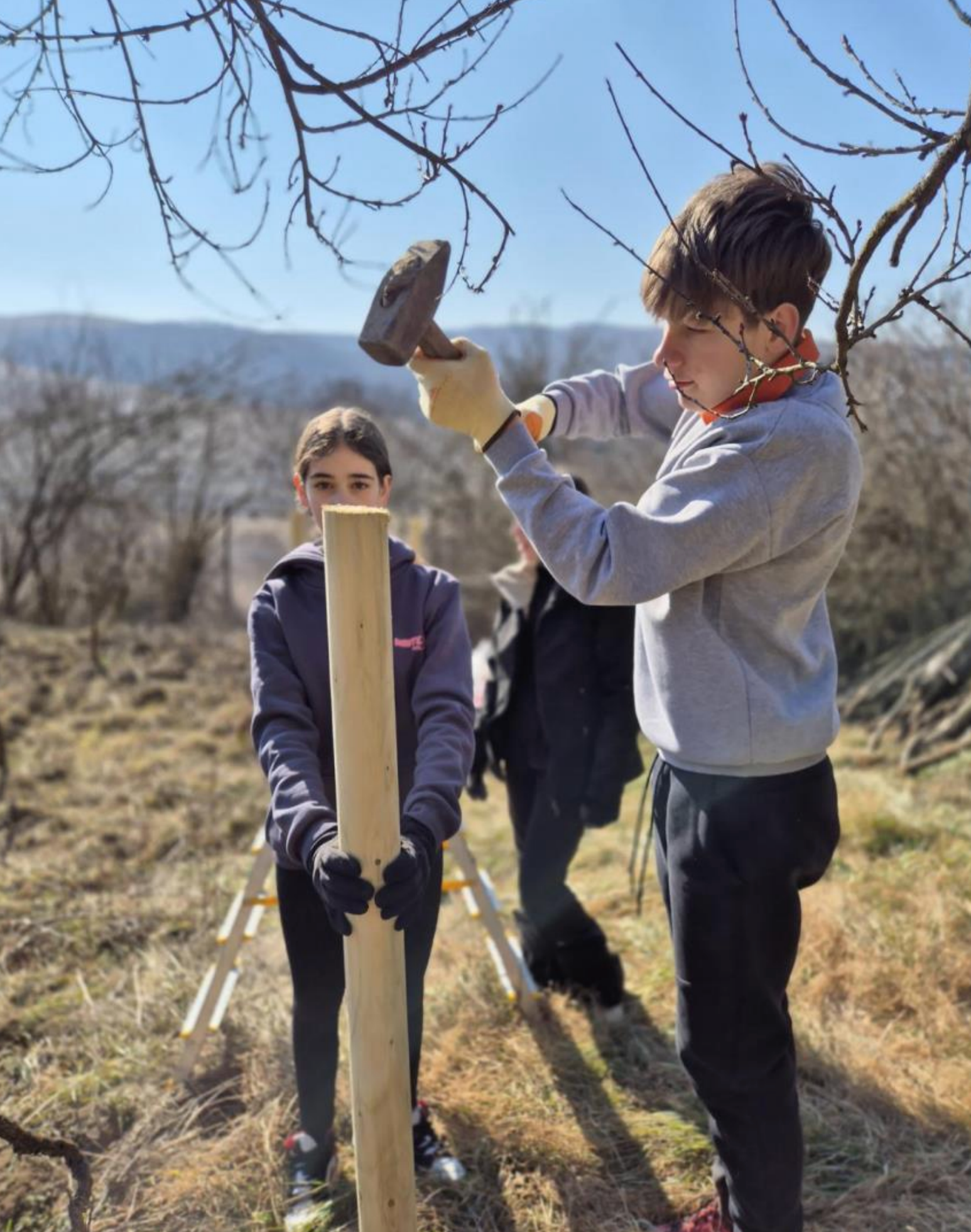
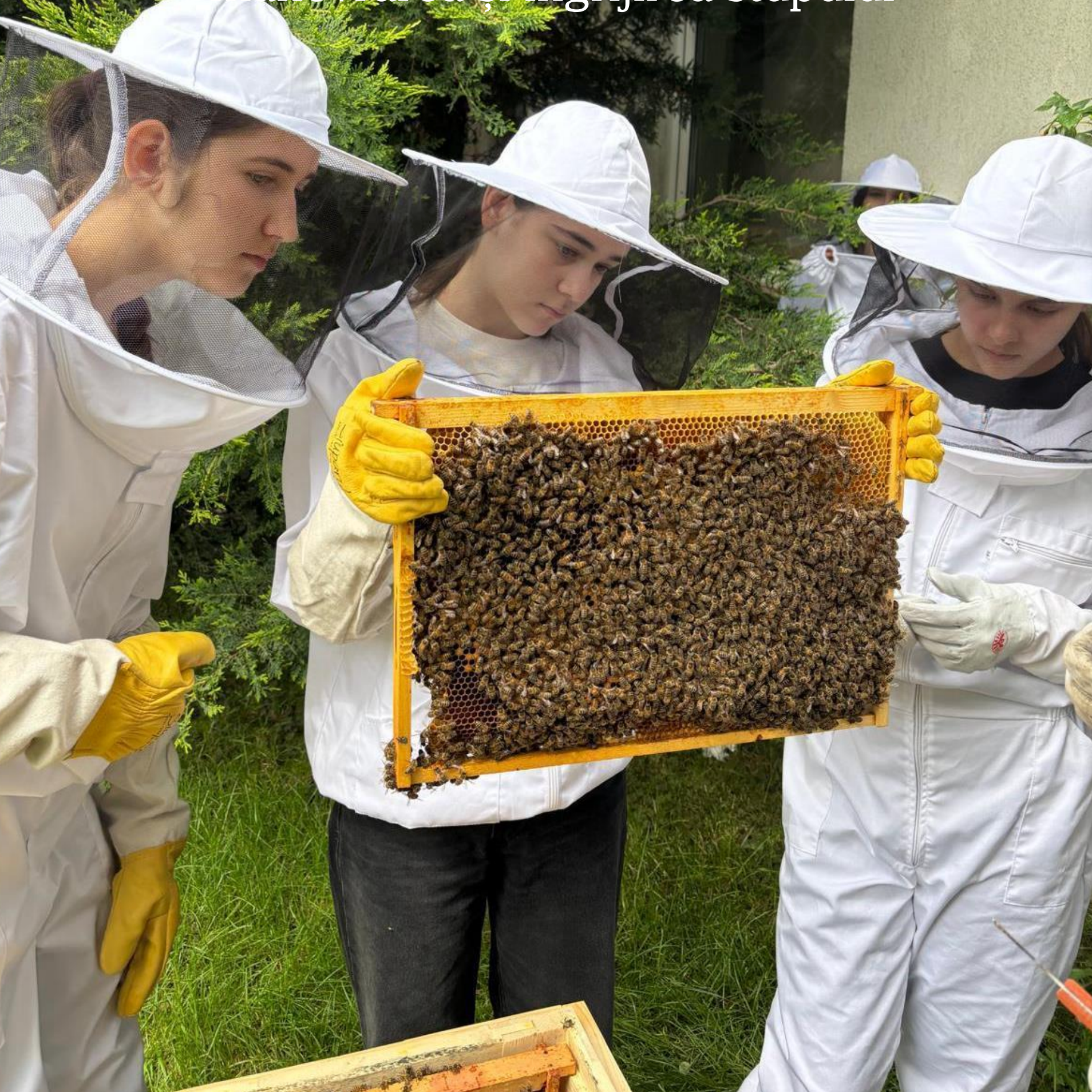
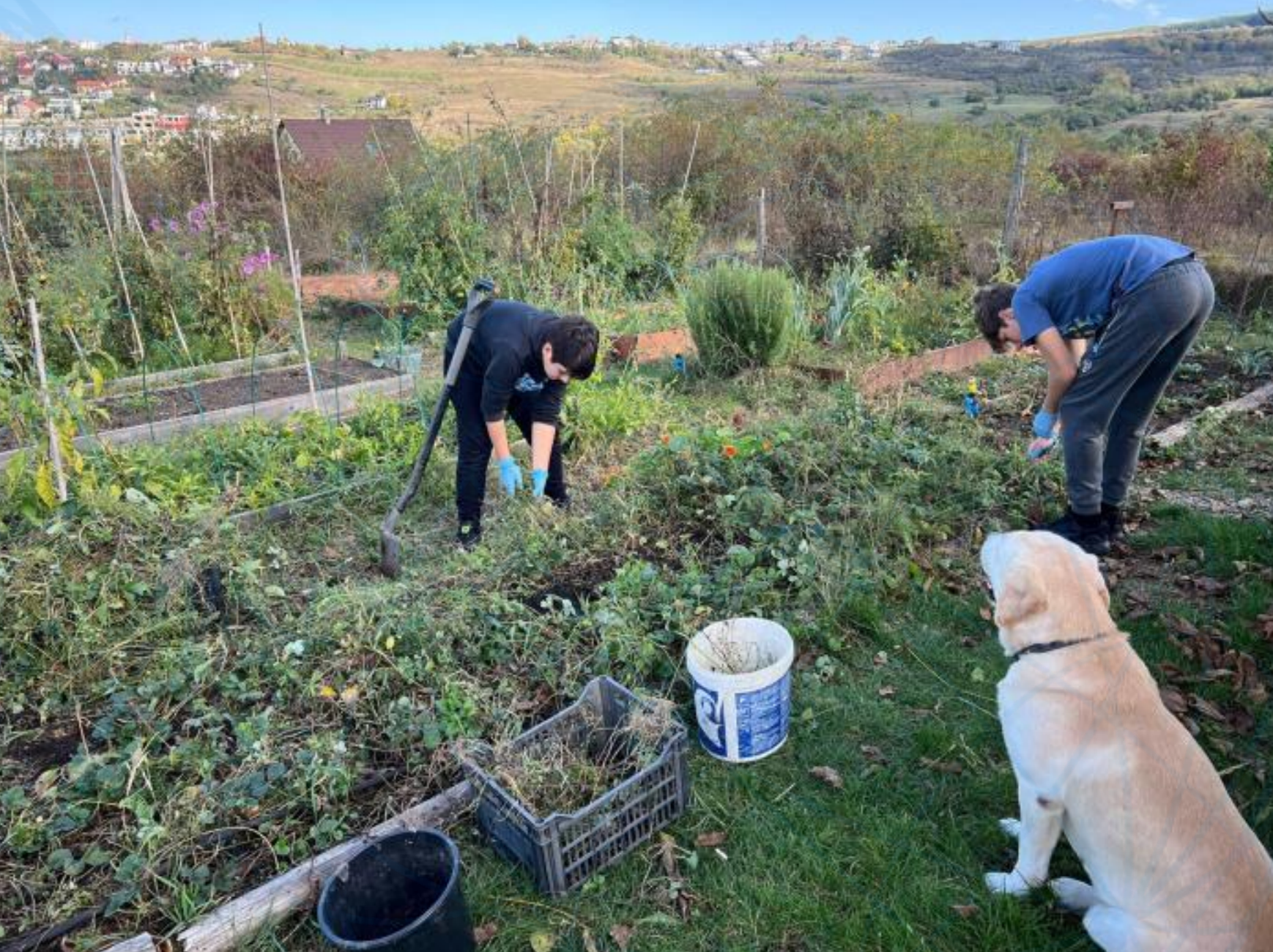
Physical work close to nature (plants/animals)

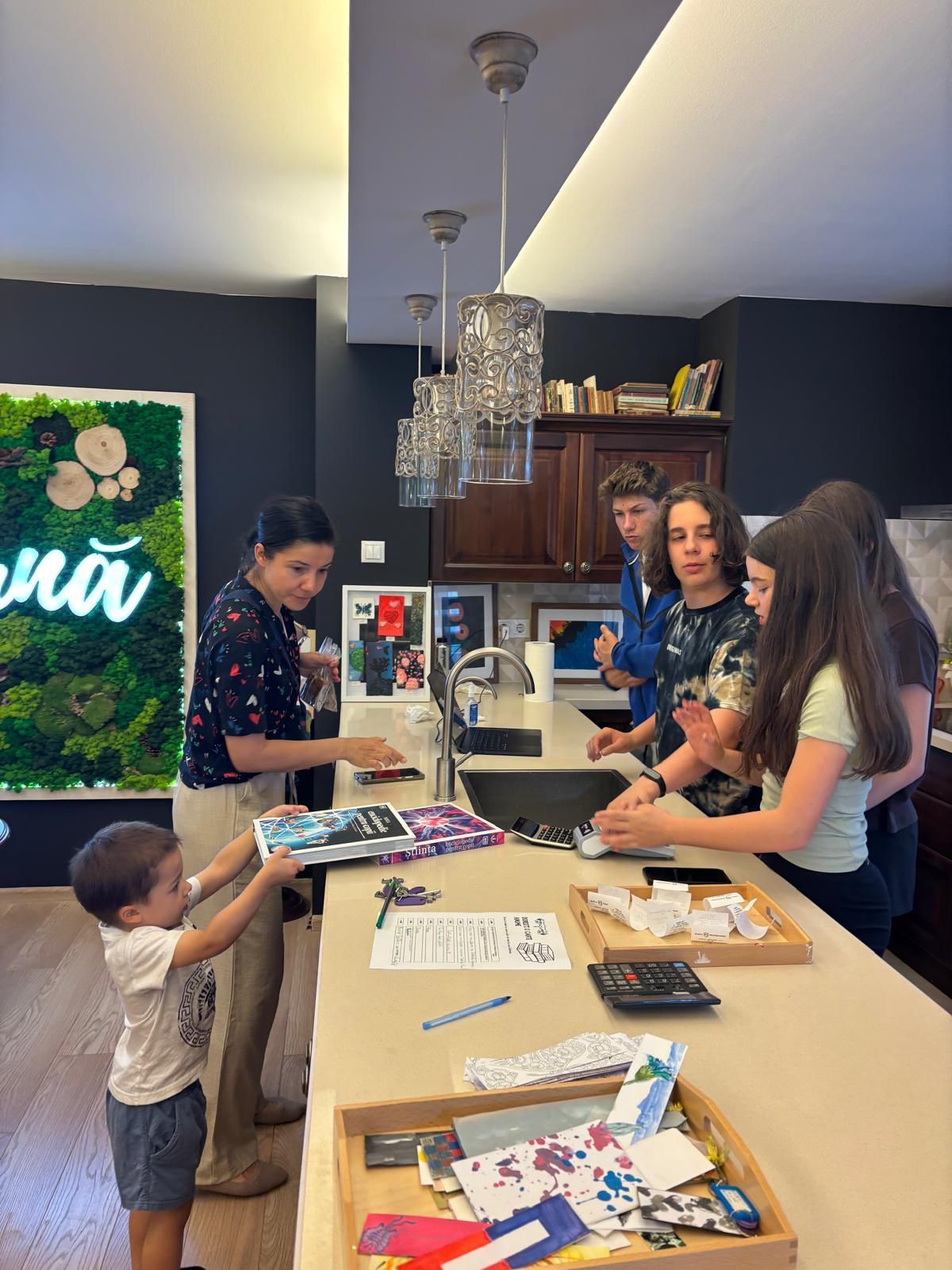
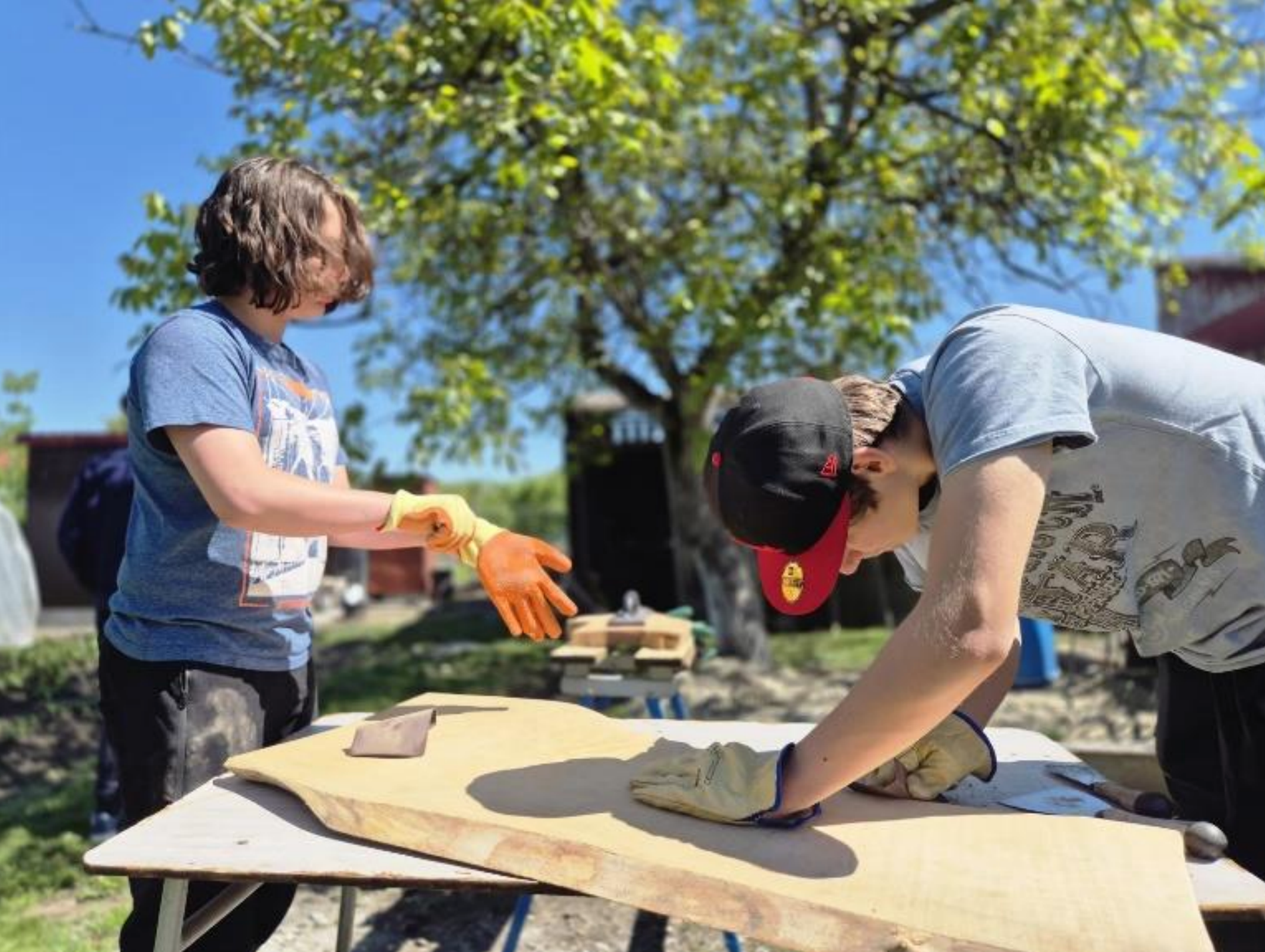
Working in the shared space
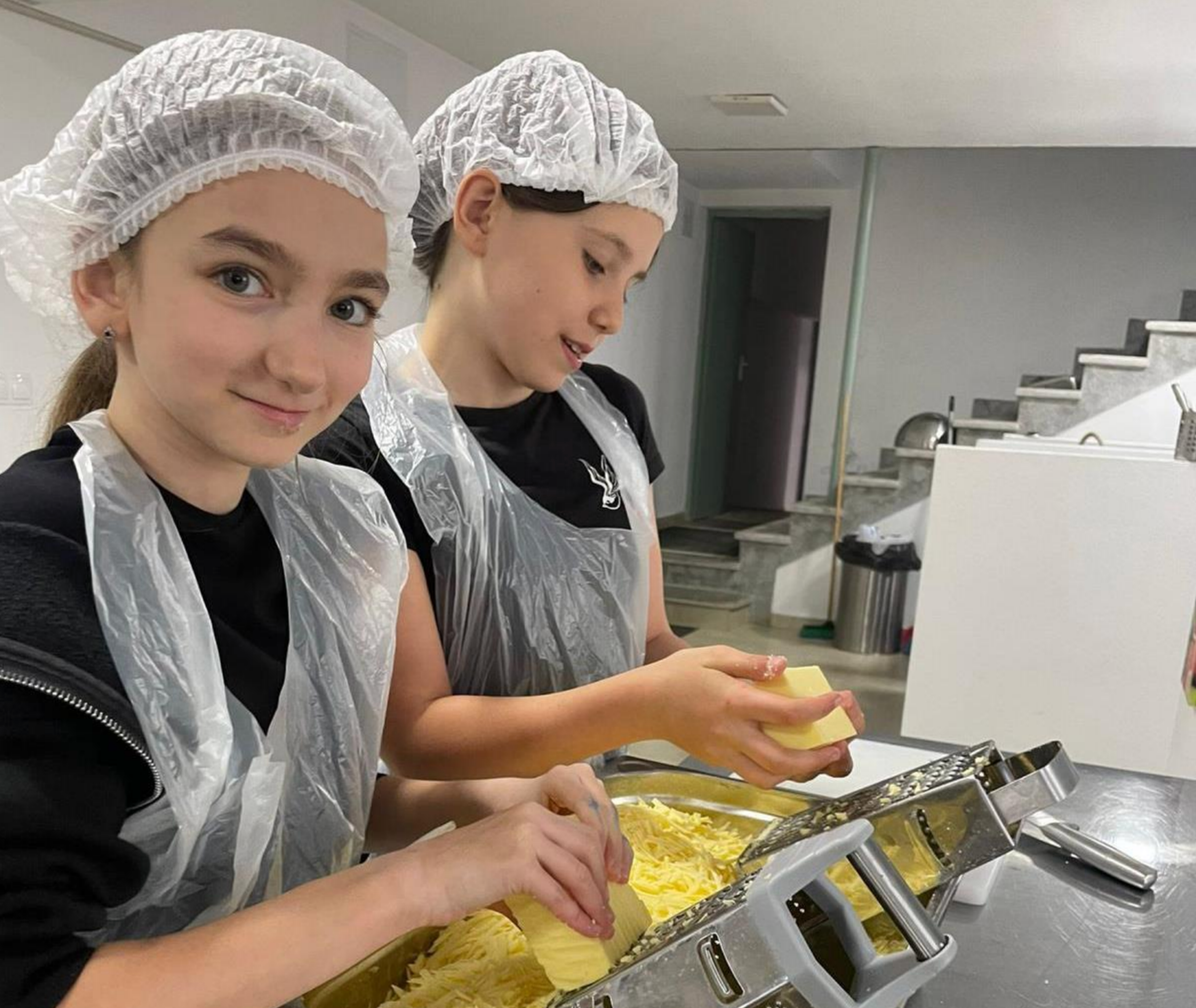
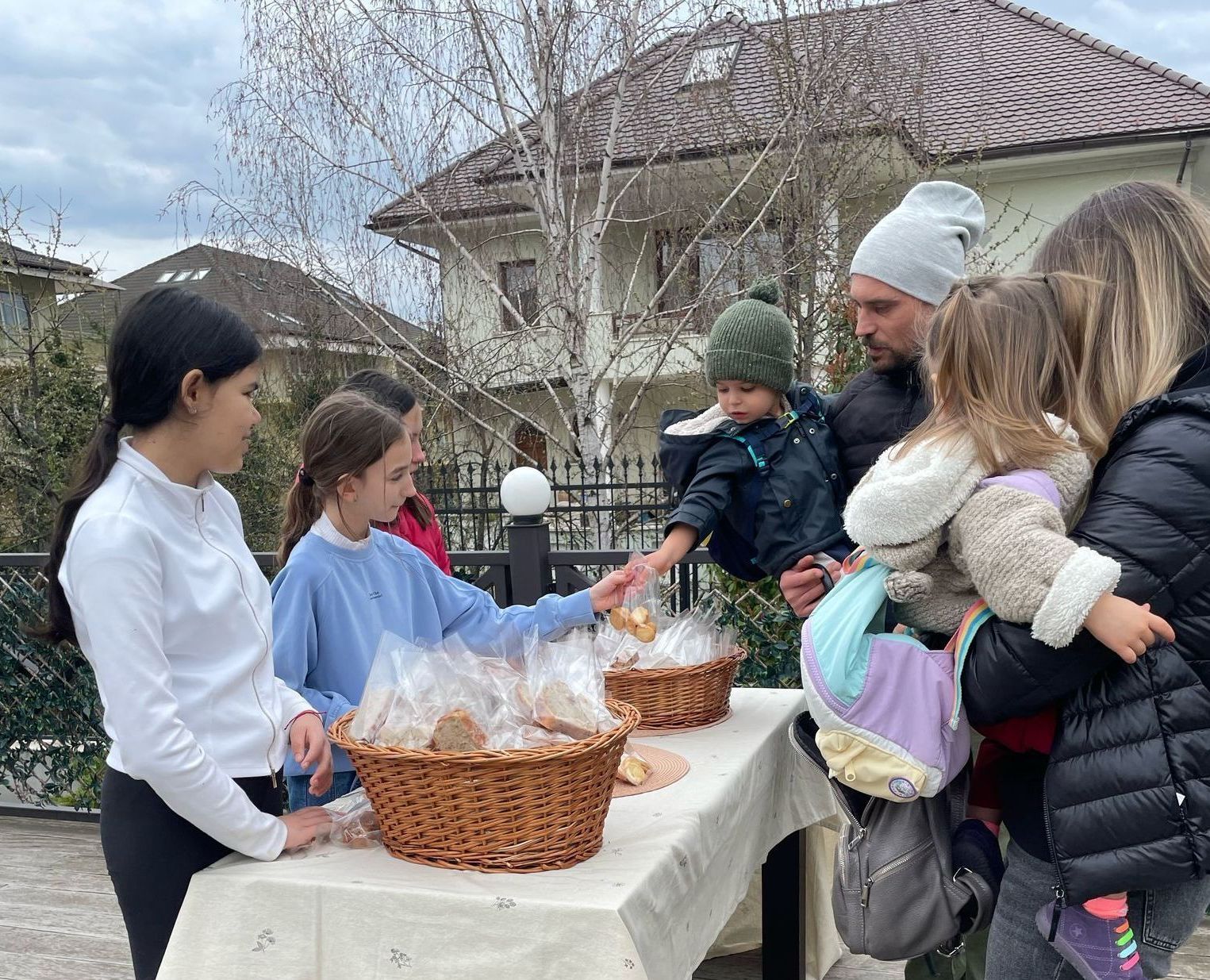
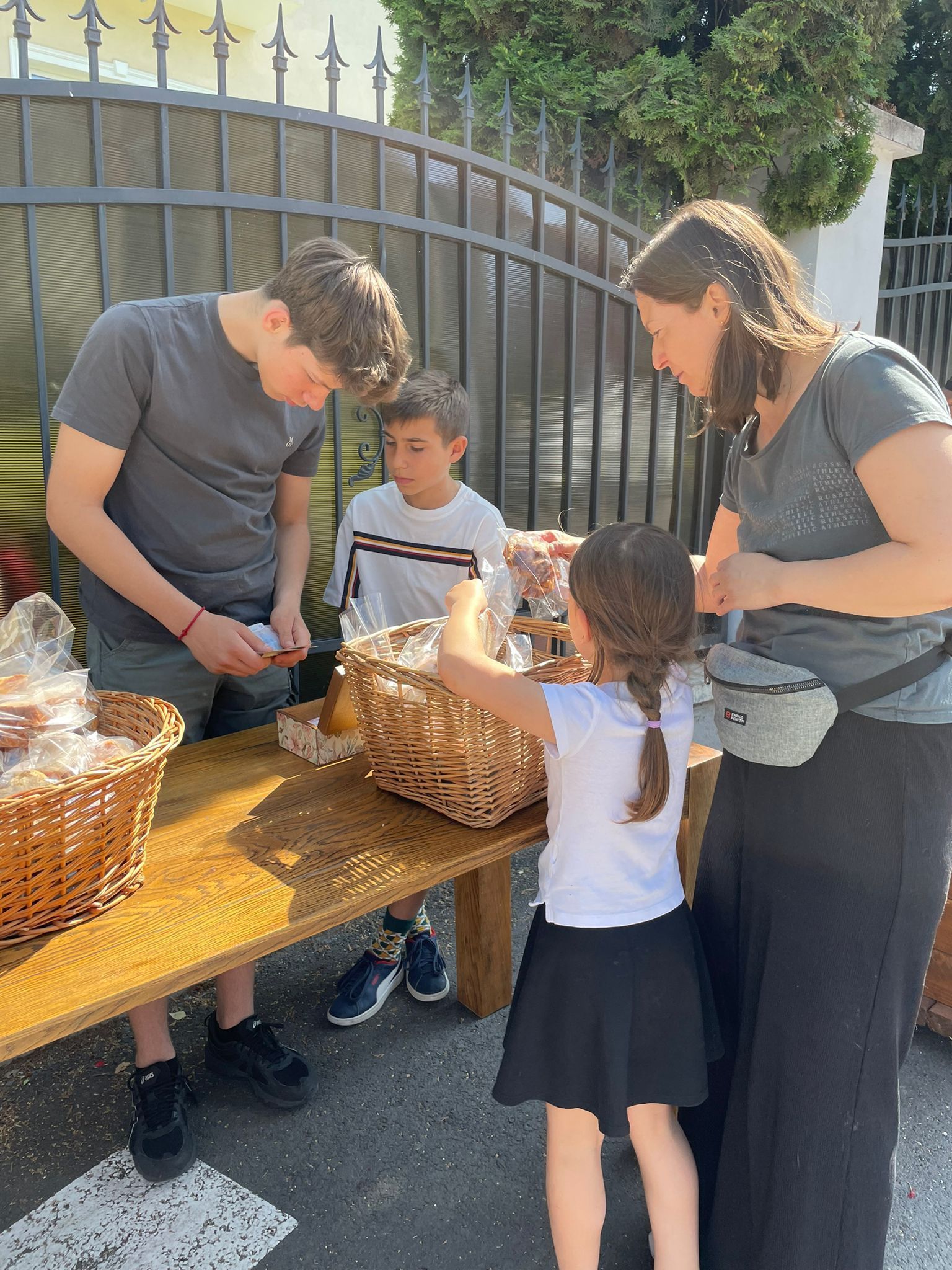
Production and Sales


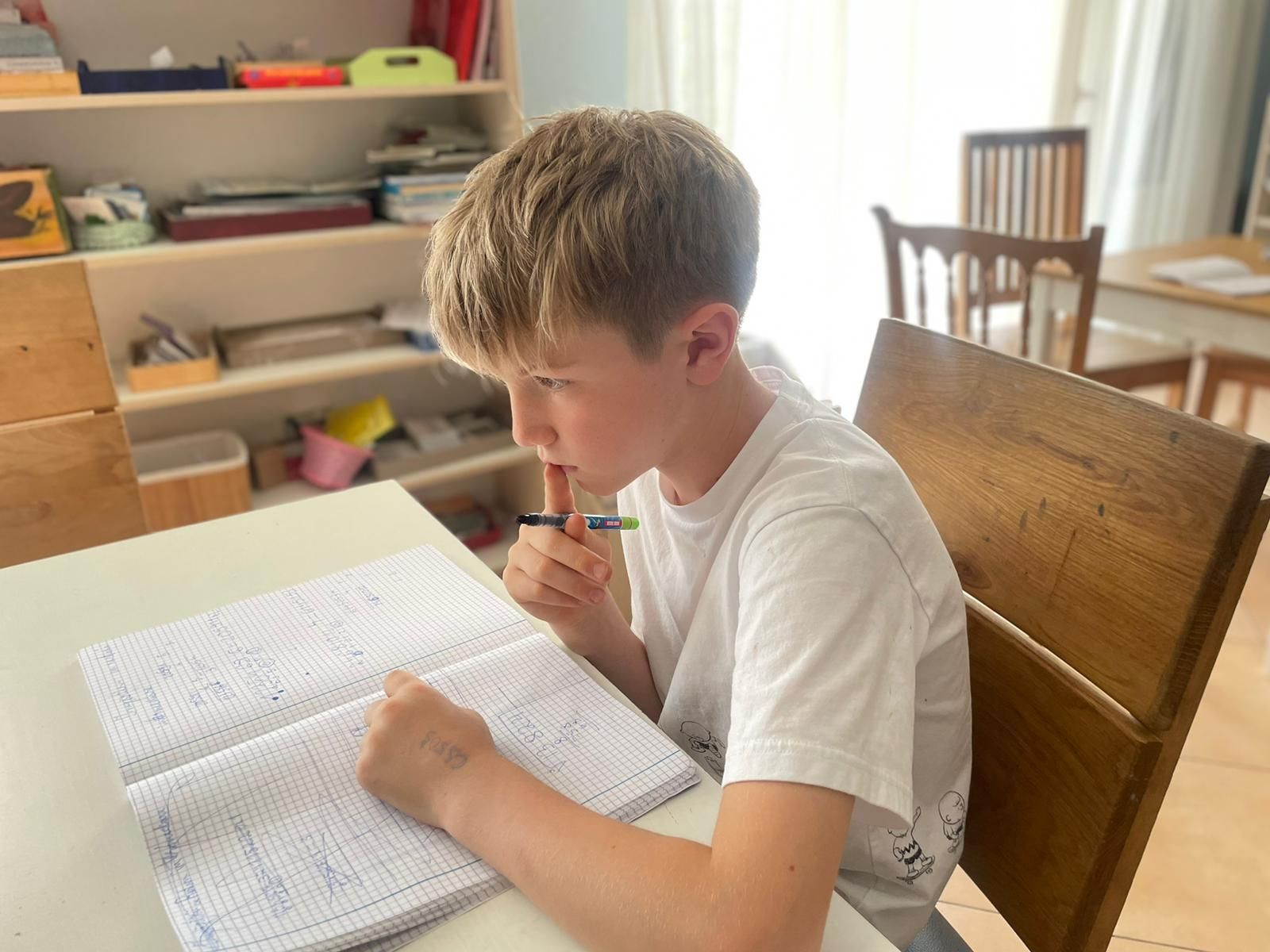
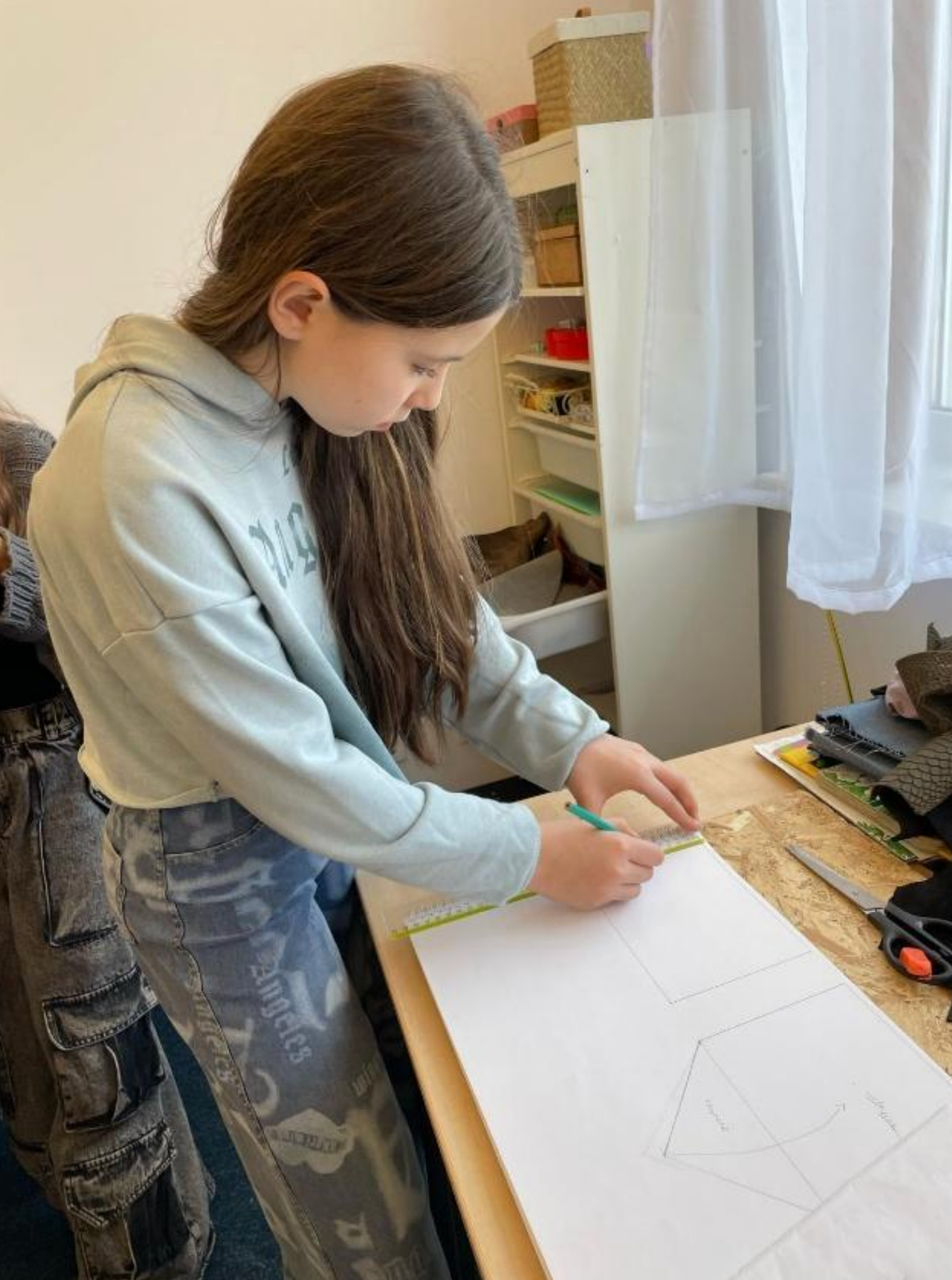
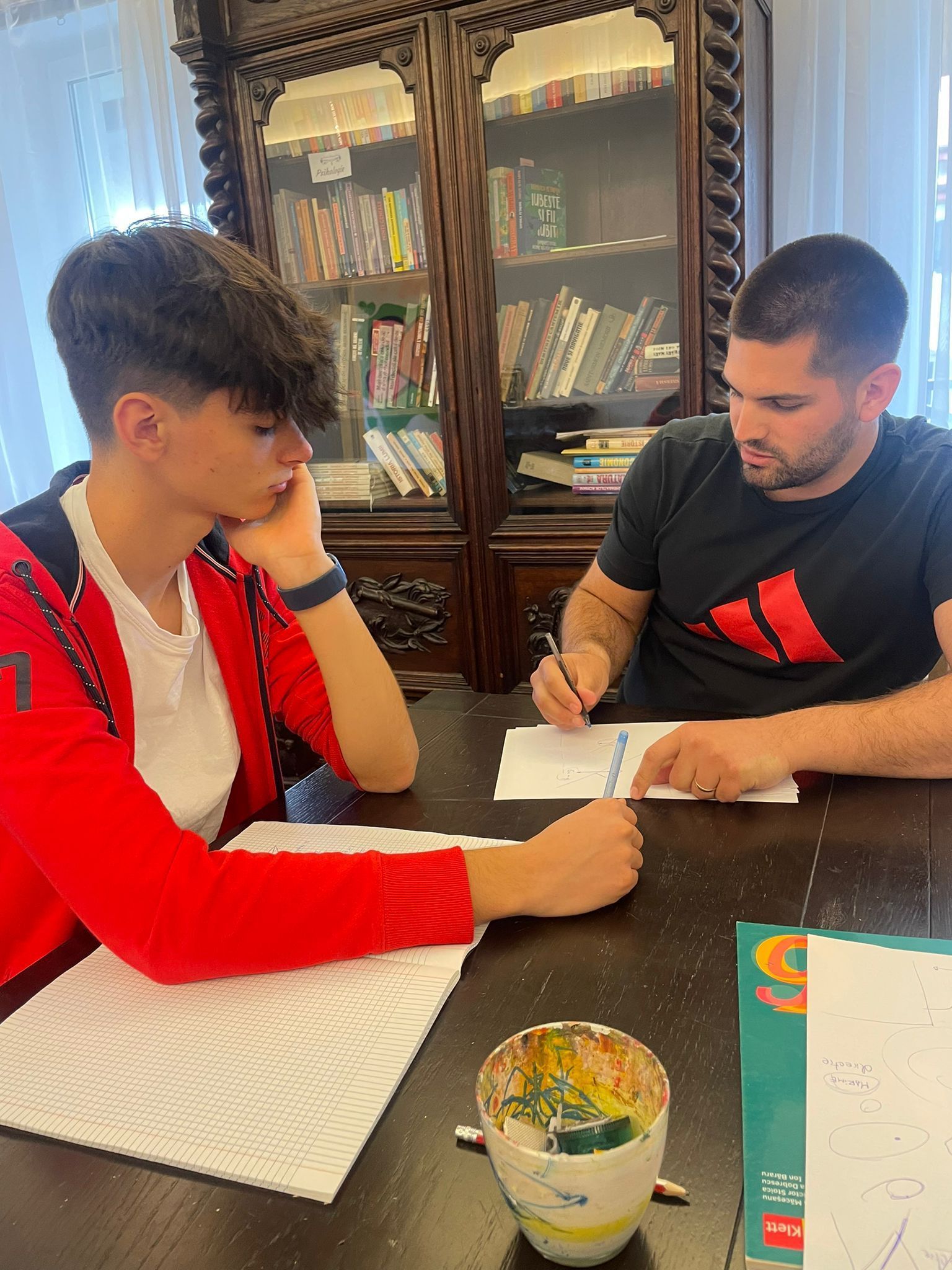
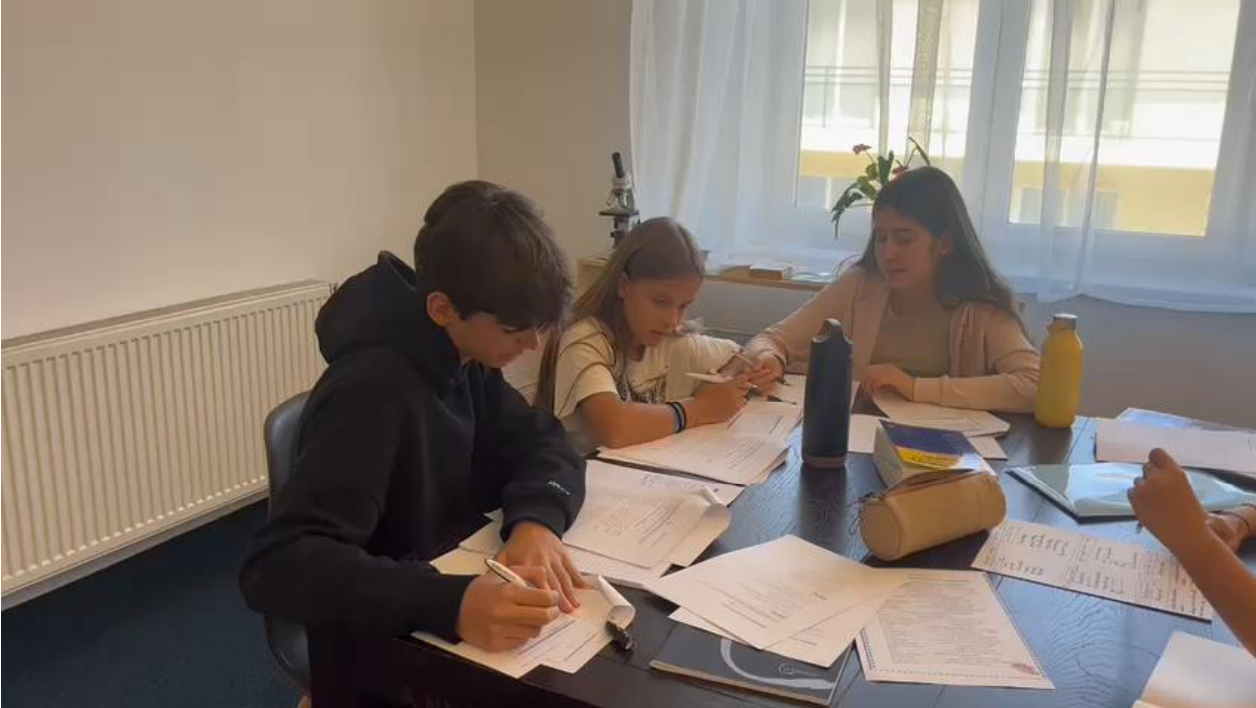
Academic study

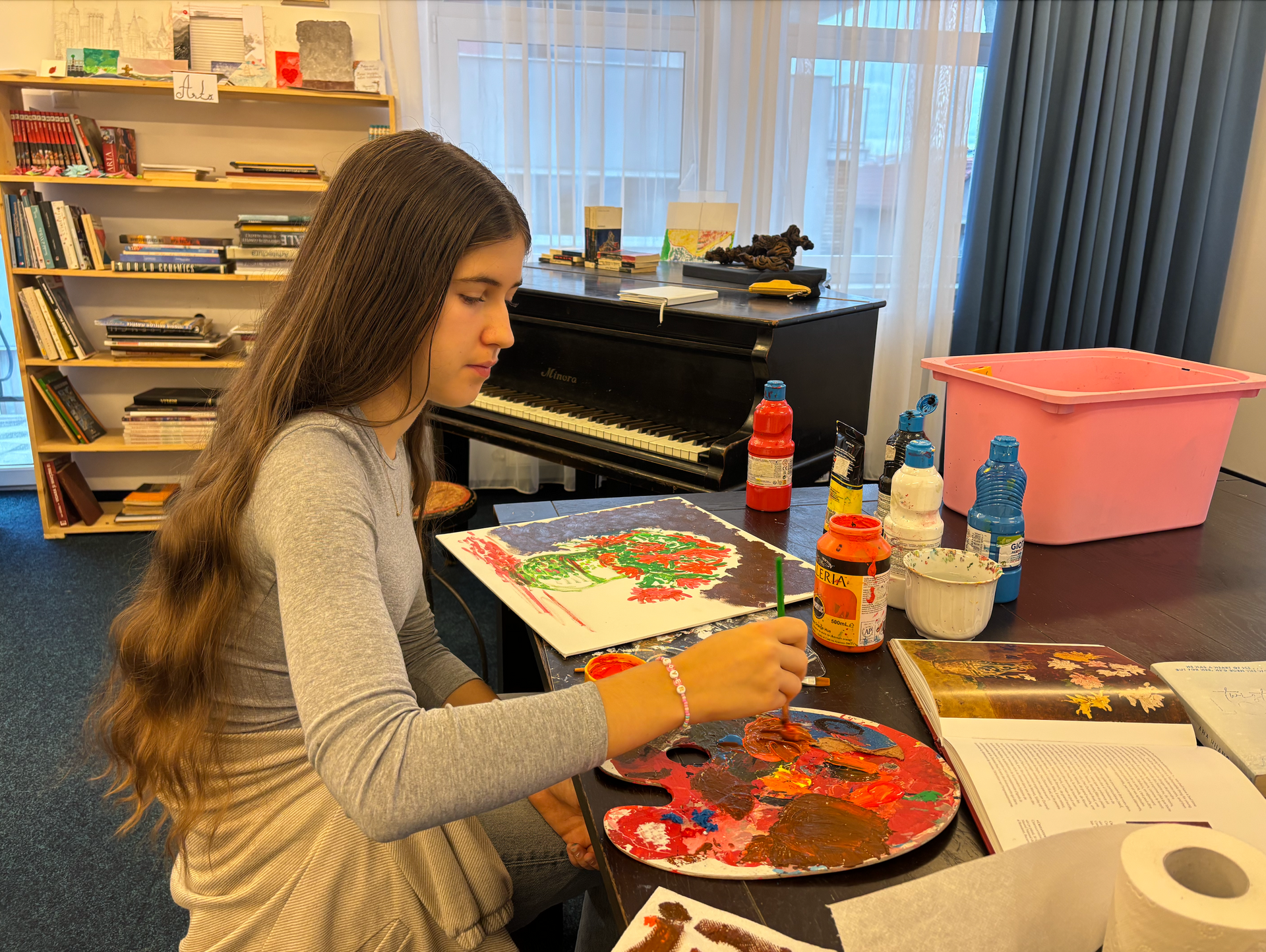
Self-expression through art
Independent, socially integrated adults

We support adolescents on their individual and unique journeys, accessing and providing all the resources needed to meet their needs and interests
Academic
✓ More than one teacher for each subject, to suit different adolescent types
✓ The opportunity to study in depth any subject they are passionate about; we are not limited by age, curriculum, etc. ✓ Exposure to a range of resources and professionals – e.g. visits to courts, various companies, etc
Social
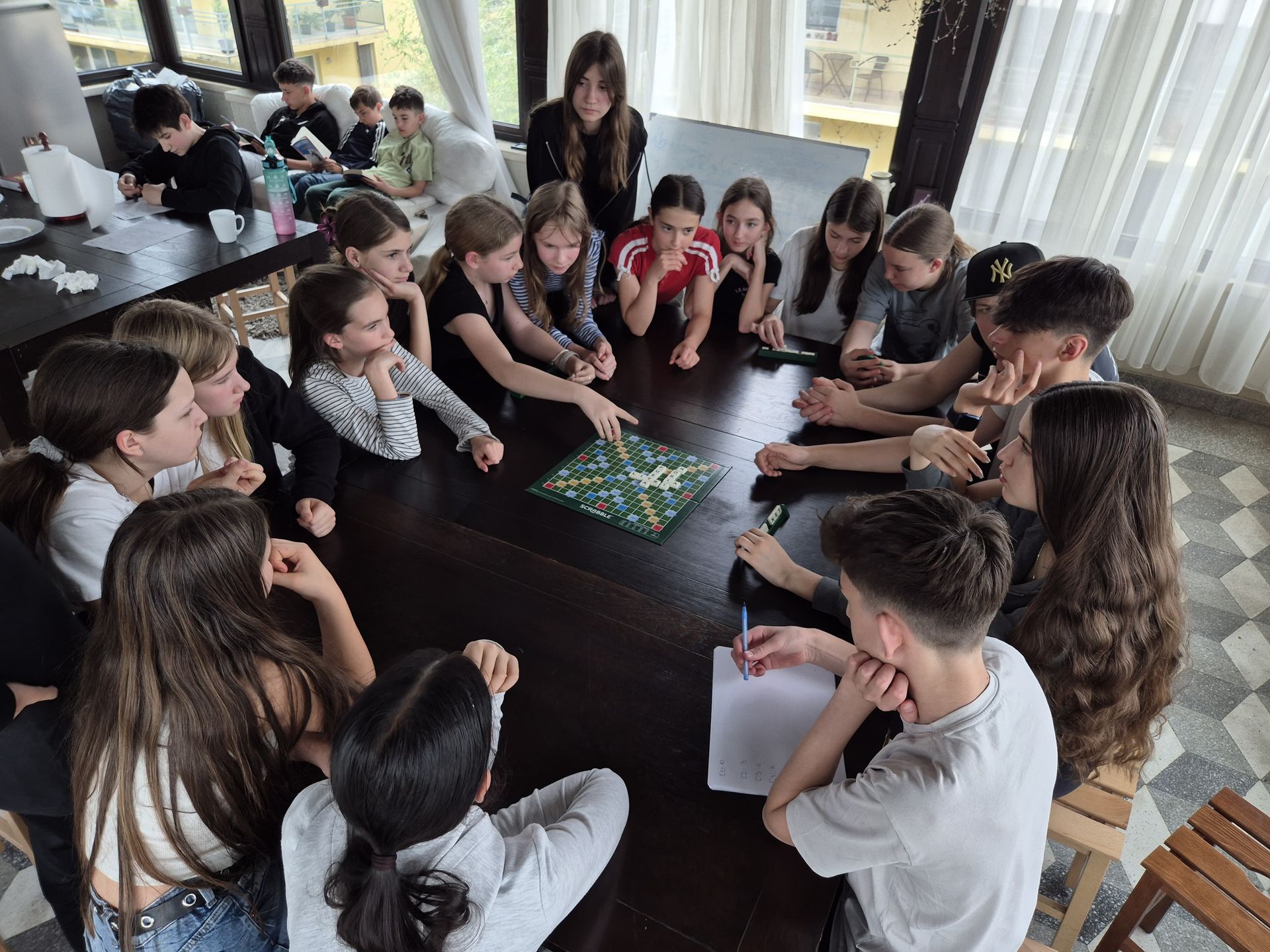
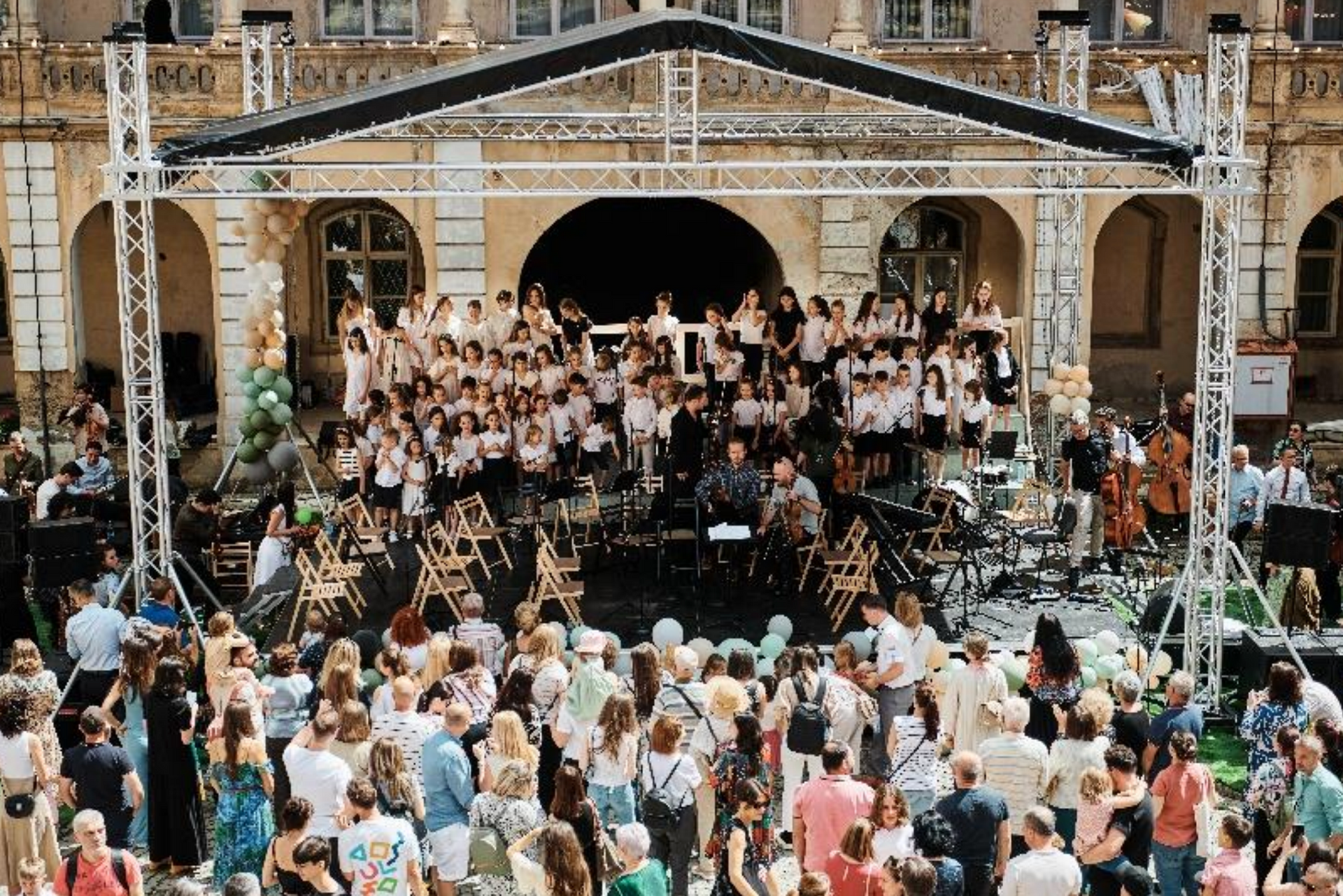
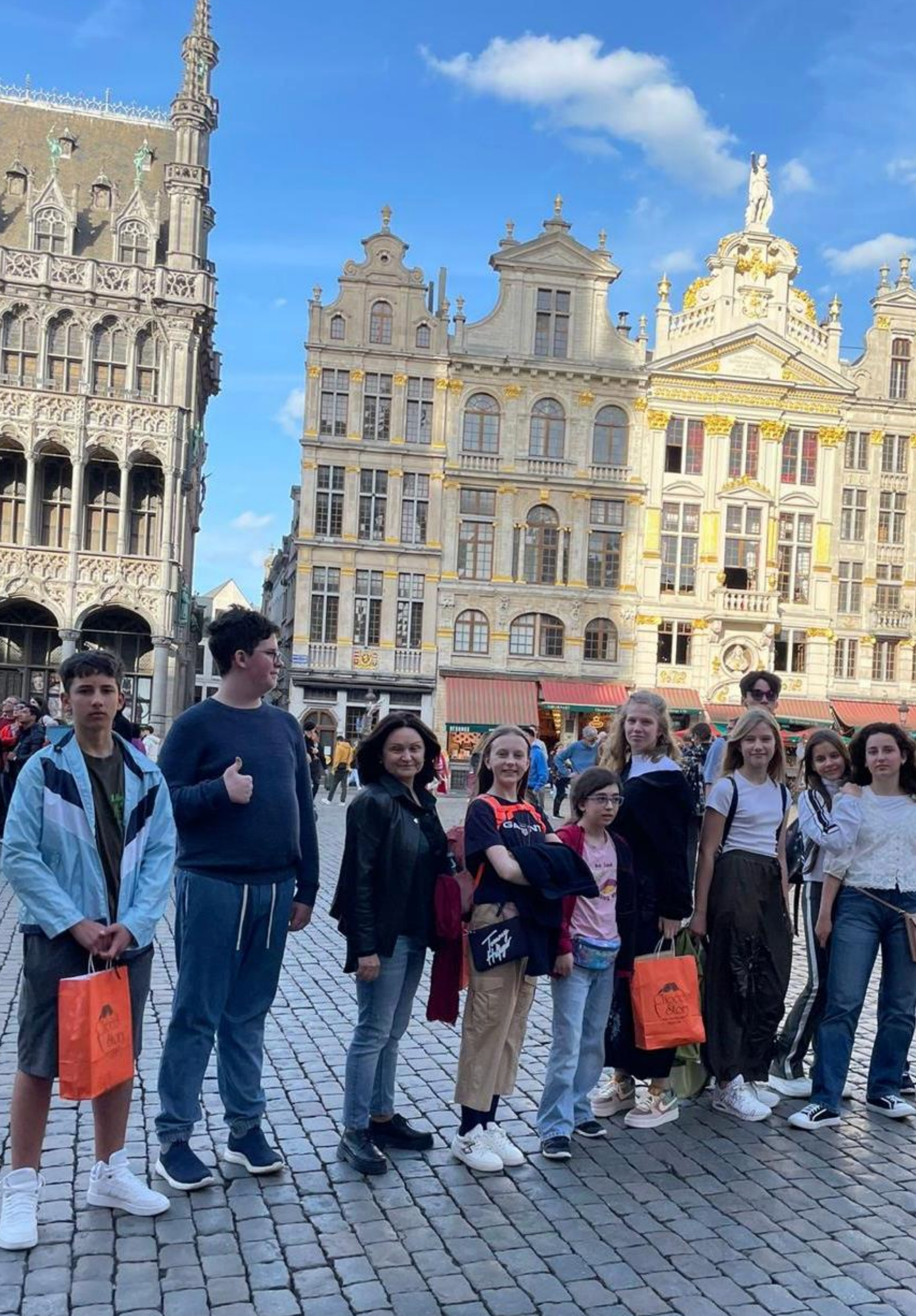
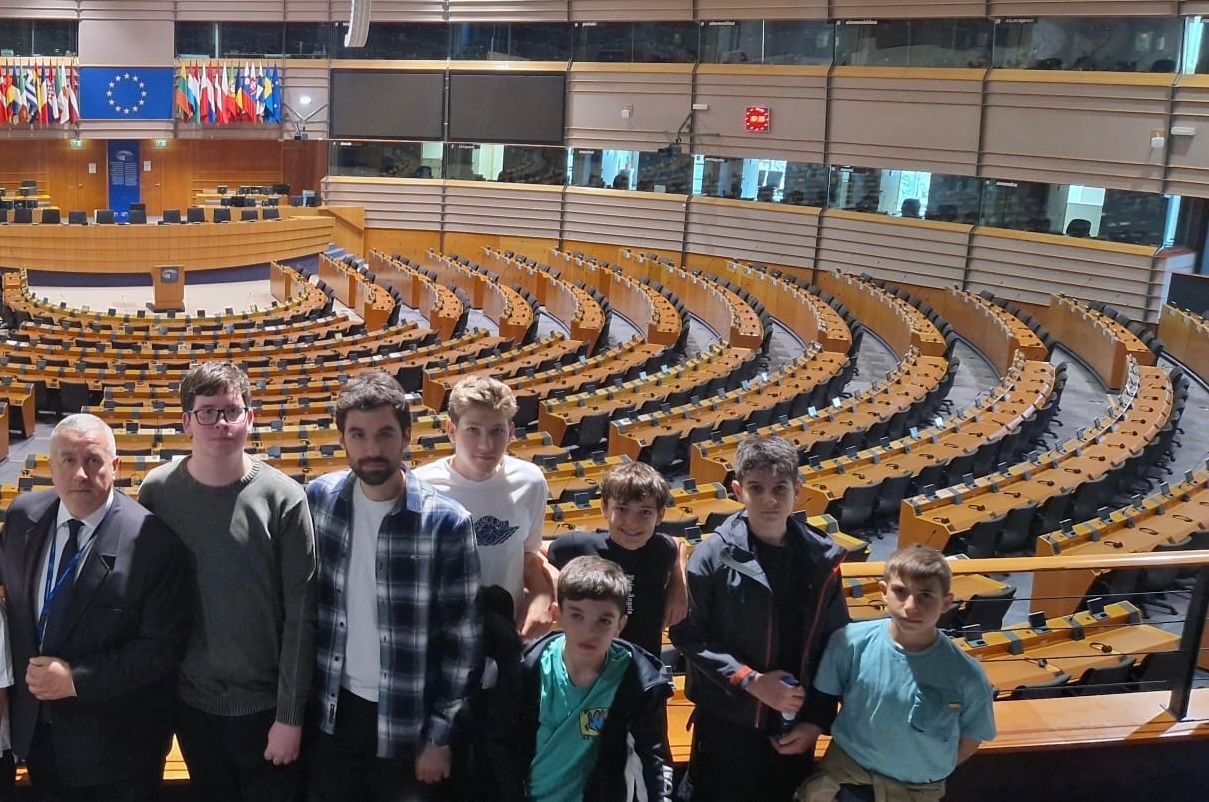
✓ Regular outings beyond the school environment and participation in events—for example, art exhibitions, concerts, study visits, trips and camps
✓ Partnerships, e.g. debate courses and collaborations with Casa Paleologu
Emotional
✓ Full-time school psychologist on site
✓ Always open to communication and focused on finding solutions
The Montessori Adolescent Profile
Independent in their studiesRespectful
With passions and hobbies
Interested in their own development

Grounded in reality
With a desire to get involved in the community
Independent adult, able to organize themselves
Our expectations for adolescents’ attitudes:
Our expectations for adolescent organisation:
Our academic expectations of adolescents:
Our expectations for parents/families:

Relationships with adolescents are based on respect and appreciation – they must be built and maintained
A good relationship supports the adolescent’s learning and collaboration
We spark interest to ensure adolescents stay engaged in their work even when we are not physically present in their environment
A motivated and engaged adolescent will work independently, without direction
Alongside being guides/facilitators, we are also human role models
An open and determined attitude supports the learning process
Working simultaneously brings the satisfaction of giving each adolescent exactly what they need and are interested in


Academic objectives:
Our objective is to develop the eight key competences (EC Recommendation 2006)
- Communication in the mother tongue
- Foreign language communication
- Mathematical competence (A) and basic competences in science and technology (B)
- Digital Competence
- Learning how to learn
- Social and civic competences
- Initiative and entrepreneurship
- Cultural awareness and expression

11-13 years
◼ Practice independent academic work
◼ Organization skills for individual and group work
◼ Following through and achieving a goal

14-15 years
◼ Organizer/ moderator/ leader/ presenter role in projects of interest
◼ Academic independence
◼ I can set up and lead clubs for younger children so they can practice their skills
◼ Entrepreneurship projects – microeconomics

16-18 years
◼ Focus on leadership
◼ Entrepreneurship projects / Startups / Volunteering / community projects
◼ Exchange of experience, research trips, university visits, participation in university courses
The learning process
Start of the school year
✓ Planning activities at the start of the school year together with specialists
✓ Information and commitment meeting with the family
Periodic evaluation/feedback
✓ Regular, ongoing observation and feedback, with continuous communication with specialists
✓ Regular reports to parents
End-of-year assessment and feedback
✓ End-of-year report on final activities
✓ Information and commitment meeting with the family
Montessori Teen Program
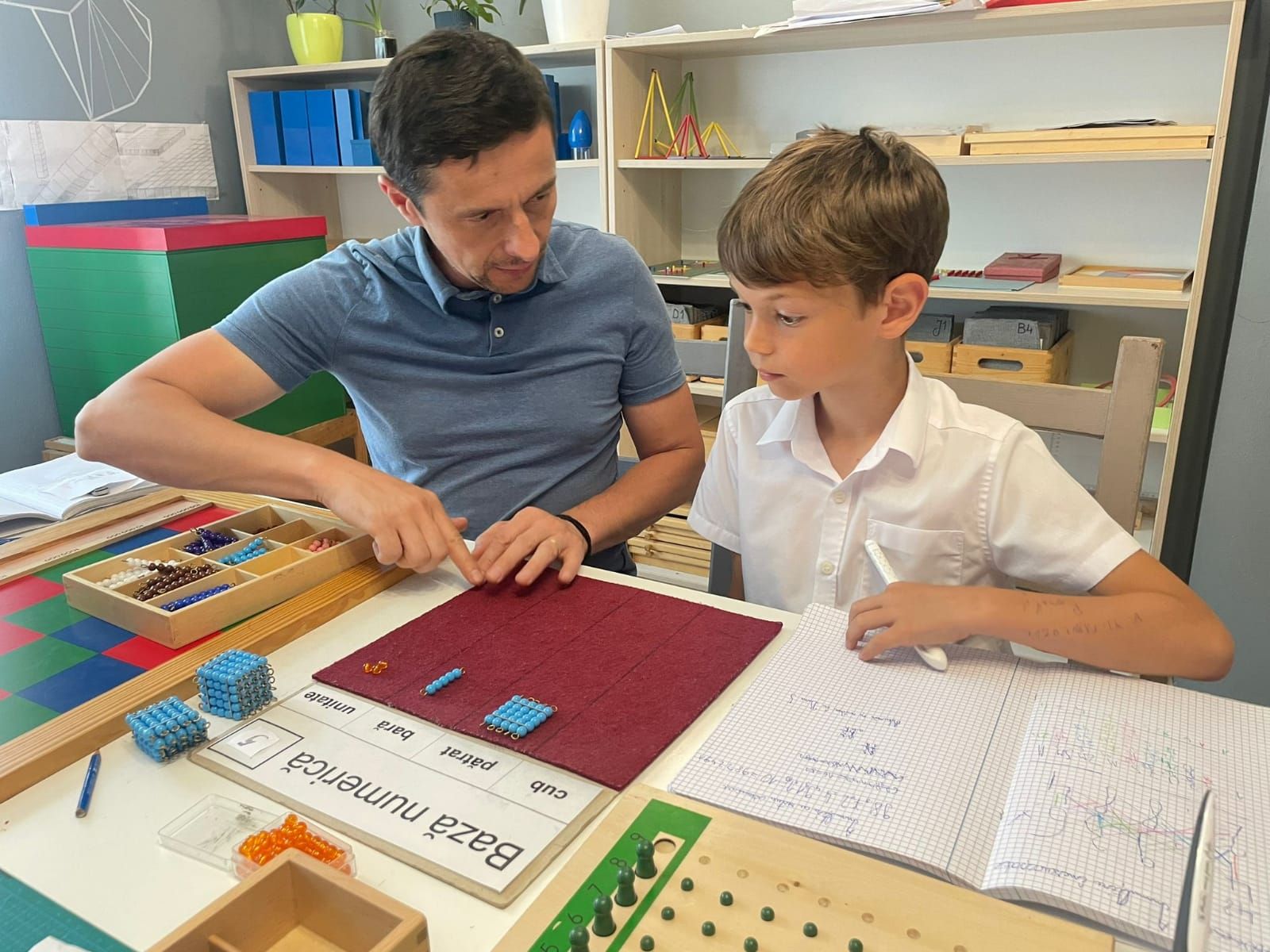
To develop and educate themselves, adolescents need to experience the prepared environment.
At these ages, cohesion is expressed through each adolescent's contribution to the collective well-being, whether through their own educational journey or their involvement in school life. Regular attendance is essential; only then does the adolescent become an integral part of this network. Absence diminishes each individual's contribution and, consequently, the benefits they receive from the group. Thus, social cohesion in Montessori represents a dynamic balance between individual autonomy and conscious and unconscious interconnectedness, crucial to holistic development.
08:00-08:45 - Children arrive
08:45-08:45 - Access to the kindergarten closes
08:00–08:30 – Children arrive
8:30-11:30 - Montessori Work Cycle
11:30-12:30 - Music / Outdoor activities
12:30-13:00 - Lunch
13:00–15:45 - Montessori work cycle
15:45-16:00 - Snack17:00-17:00 - The school day ends and children go home


