



School
Prepared environment for children aged 6 to 12.
During this period, the focus is on developing reasoning, critical thinking, independence, social responsibility, and a lasting love of learning.
What are the developmental needs during this stage of childhood?
About the age of
6–12 years
Children aged 6–12 have an extraordinary need for intellectual development, a powerful imagination and a thirst to discover what it means to be human. Their minds begin to work in a new way as their ability to reason develops. During this period, they are fascinated by what is unseen, from the values that unite us to the structure of language and the vastness of the universe.
With the foundations of their personality built in the first six years, from age 7 a child is drawn to venture beyond the world they can see and touch, reaching for the stars, crossing continents, and traveling through time. Some call this stage of childhood the “age of reason,” a time when intellectual appetite is boundless and there is a great love of big ideas.
This “second plane” of development is a period of relative stability and resilience compared with the childhood period that came before it and the adolescence that follows.
In the first six years, we see the child developing as an individual within a community environment that is actively mediated and prepared by an adult. In the next six years, from ages 6 to 12, the child’s development continues to focus on becoming a complete individual. The difference is that the child is now strongly drawn by a desire to understand the laws, rules, and norms that guide the functioning of the different communities they belong to.
They also begin to become aware of the wider society of which they are a part. Our hope for children at the end of this age stage is that their experiences in the intellectual and social spheres have enabled them to gain two great freedoms: moral and intellectual independence.
Changes that occur
Social age
The leap from home to the world is mirrored in the leap from the individual to the group. In this second phase, the child is less interested in doing things alone and is instead drawn to working with others. Children at this age understand that for any group to stay together, it must follow a set of rules. Naturally, these are informal and unwritten, but they can become explicit and formal—the rules of a game, a secret code, or a promised treat.
Sometimes we see this when children “tell stories.” But when a child says X and Y, what they are really communicating is, “Am I right that X shouldn’t have done Y?” Knowing this, we can simply agree that Y was not a nice thing to do.
Over the years, the child realizes that they have an identity of their own, beyond being someone’s son or daughter. They now begin to love their family a little less as they discover this new aspect of themselves. In their somewhat awkward attempts to distance themselves from their family, good manners may disappear. Such moments signal that it is time to move from explanations like “because that’s what we do” to ways of involving the child in creating guidelines for staying together. All these social experiences are important for development. Between the ages of 6 and 12, an innate moral compass develops through practical experience exploring the intellectual life of a “good” society.
Thirst for knowledge
There is something honest and wonderful about children aged 6–12. They have a simple desire to understand everything. In the first six years, the child creates a person adapted to their time and place; their character takes shape and the foundations of cultural knowledge are acquired. In turn, this paves the way for adolescents and adults to improve and transform today’s society, making the world a better place.
There is no limit to what a child aged 6–12 wants to understand and discover. At this age, children are less interested in specific answers and more eager to learn the reasoning behind them. This means understanding relationships between things as well as understanding the things themselves—for example, a camel has wide hooves so it can walk on the soft desert sand without sinking. What the child wants is a framework for understanding everything.
All children form a view of the world, but this is rarely supported through education. At our primary Montessori school, it is. Through a series of stories, children are guided by a narrative that explains the formation of the universe, the emergence of human beings, and then civilizations. Every detail has its place and sheds further light on the story. What makes these stories complete is that they offer children not only the “how” but also the “why”.
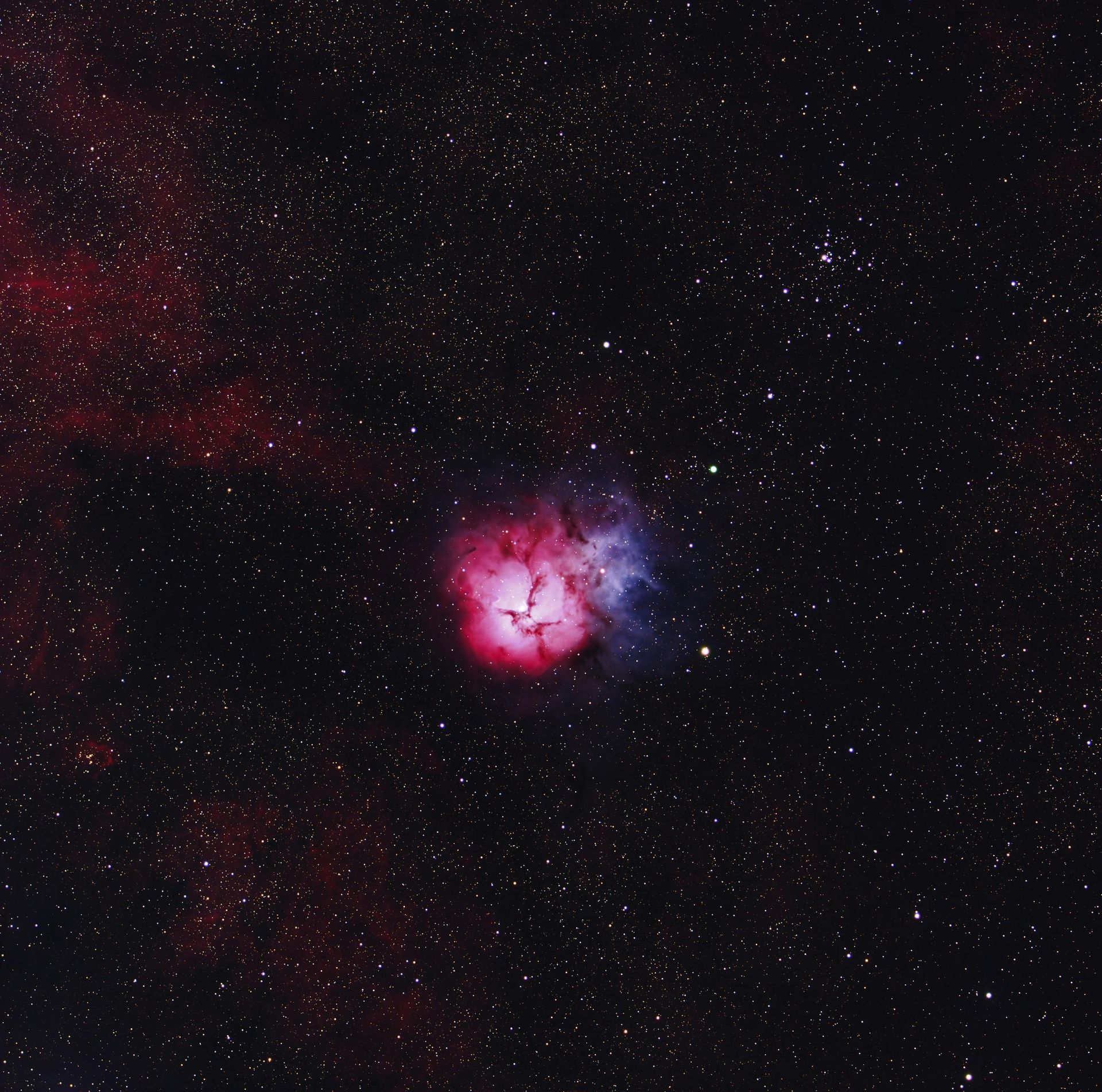
The Power of Imagination
"Remember to look up at the stars and not down at your feet. Try to understand what you see and wonder why the Universe exists. Be curious."
Stephen Hawking
The Power of Imagination
In the first stage, children explored the world through their senses with the absorbent mind. Children’s exploration in the second stage is different, driven by imagination and intellect. There are no longer any limitations of space and time. Their explorations take them back in time and across continents, down to the smallest atoms and cells, and all the way to the stars. These are the years that spark the imagination, giving children the chance to see what cannot be seen with the eyes of the mind.
Stories are very appealing at every age. Young children, up to age 6, tend to prefer stories about everyday life. But for older children, these stories have something magical about them, and many Montessori lessons begin with a story that appeals to the imagination. Here is an example about photosynthesis:
Have you ever wondered how a plant eats? I know a story about it. The leaf makes food for the plant. Every leaf contains water, and every drop of water has two hydrogen atoms and one oxygen atom. With the help of the sun, the green part of the plant helps separate the hydrogen from the oxygen. Then the hydrogen is mixed with a gas from the air called carbon dioxide. Using sunlight, carbon dioxide and hydrogen are turned into food for the plant — which is why plants grow towards the sun. Finally, the unused oxygen is released by the leaf as waste.
Moral independence
What does it mean to be free? Does it mean behaving however you want, or wanting to act with love and compassion in every circumstance? Does personal freedom mean putting your own desires before those of others, or is the path to freedom found by living in harmony with life?
Primary-age children are drawn to questions of this kind, and find the answers through experience. The Montessori environment is specifically prepared to help children see the interconnectedness and interdependence of all living things. We often look at history through the lens of gratitude for the work and creativity of those who came before us. In countless ways, the child's attention is drawn to the harmony that exists in the world around us.
Children experience these ideas in a very practical way. The children decide what kind of place they want Montessori Primary School to be (generally, a place where they work hard and have fun), then develop the rules and guidelines that make this possible. They hold one another accountable and, during child-facilitated meetings, discuss issues that need to be addressed or guidelines that need to be emphasized. Gradually, the strict, self-imposed rules for cooperation become flexible guidelines until a compassionate personal morality develops;
Learning experience
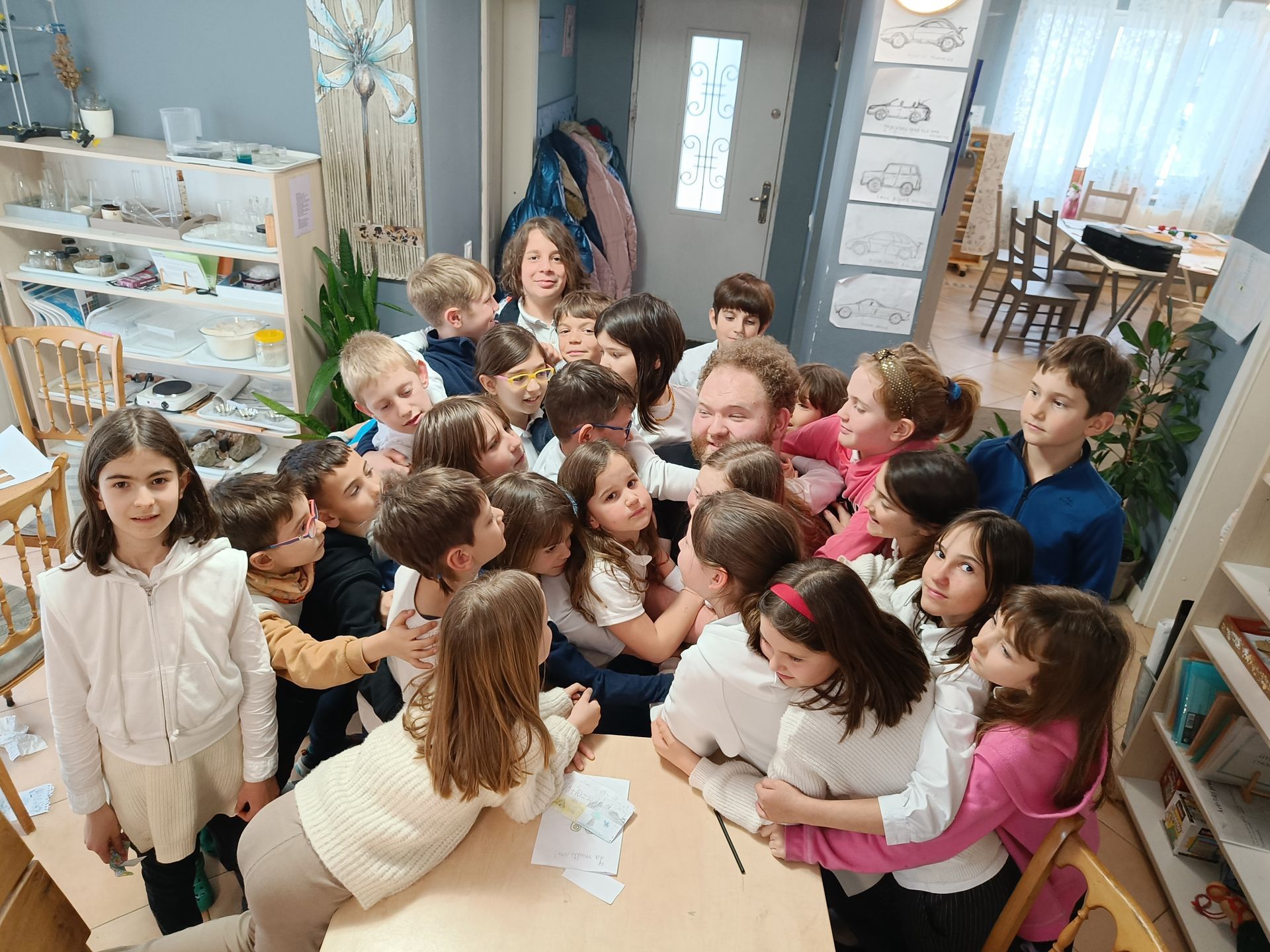
The Montessori elementary school community is a place of superlatives. As they say, it is a place where children strive to become the best, most intelligent and capable people. It is a place full of ideas and buzzing with activity.
It is a place where children organize first-aid courses for their classmates and plan their own visits to museums, archaeological sites, zoos, and theatres. It is a place where children choose to plot river flow against length on a graph, and identify and label dozens of trees in the forest. It is a place without set lesson times, assigned homework, or tests.
So, it is a place where nothing can limit how far or deeply a child can take an idea or area of interest; “the only limit is my imagination,” said one child.
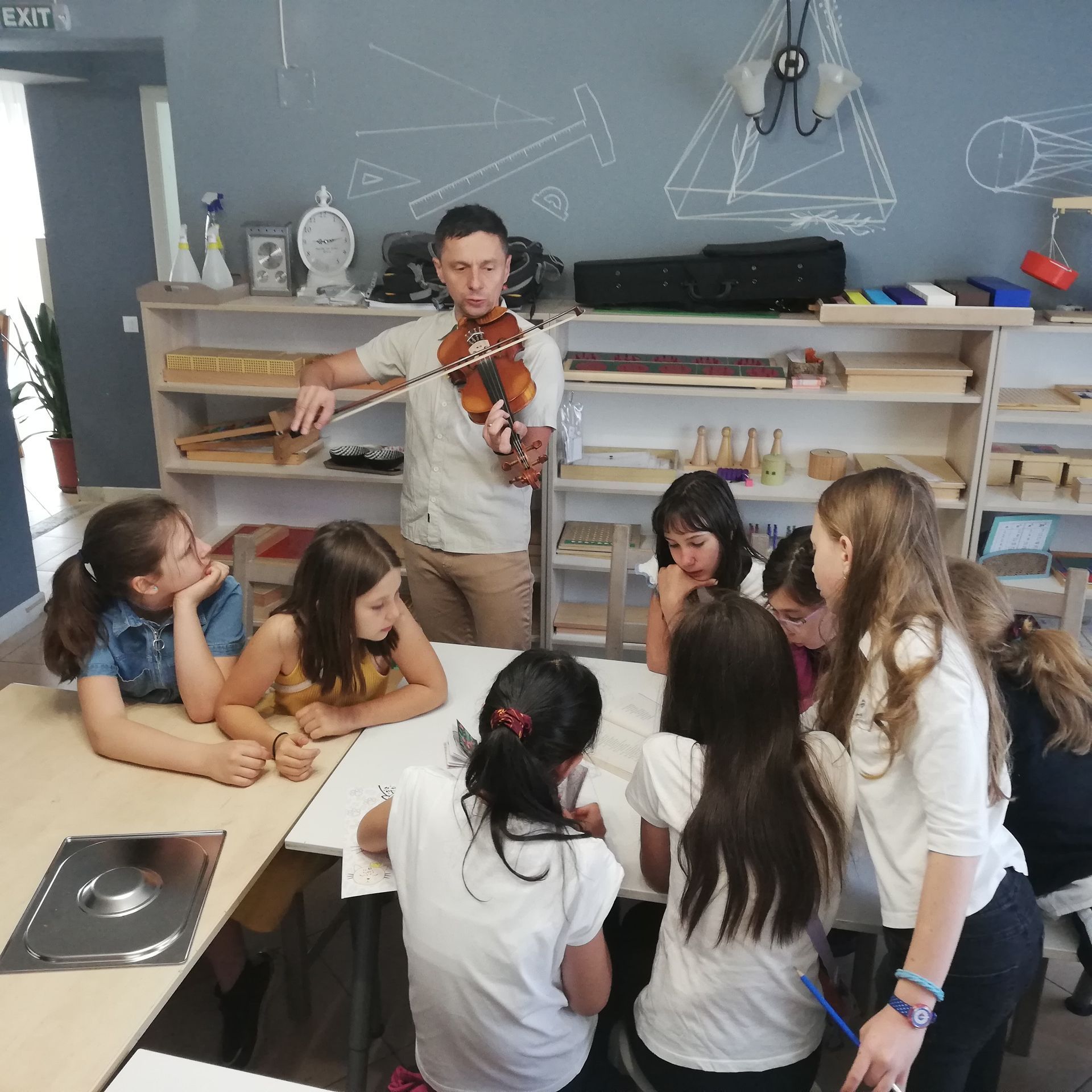
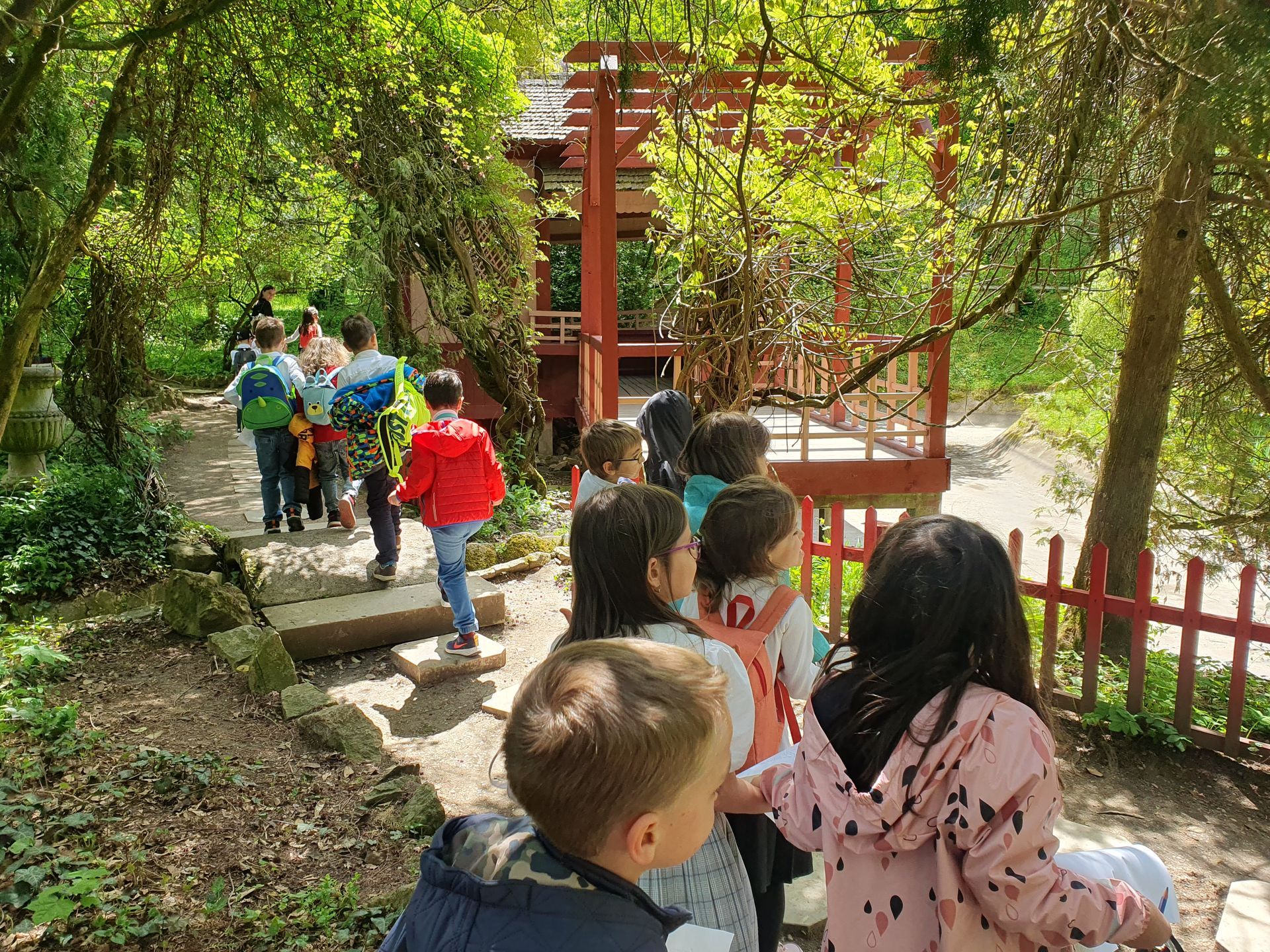
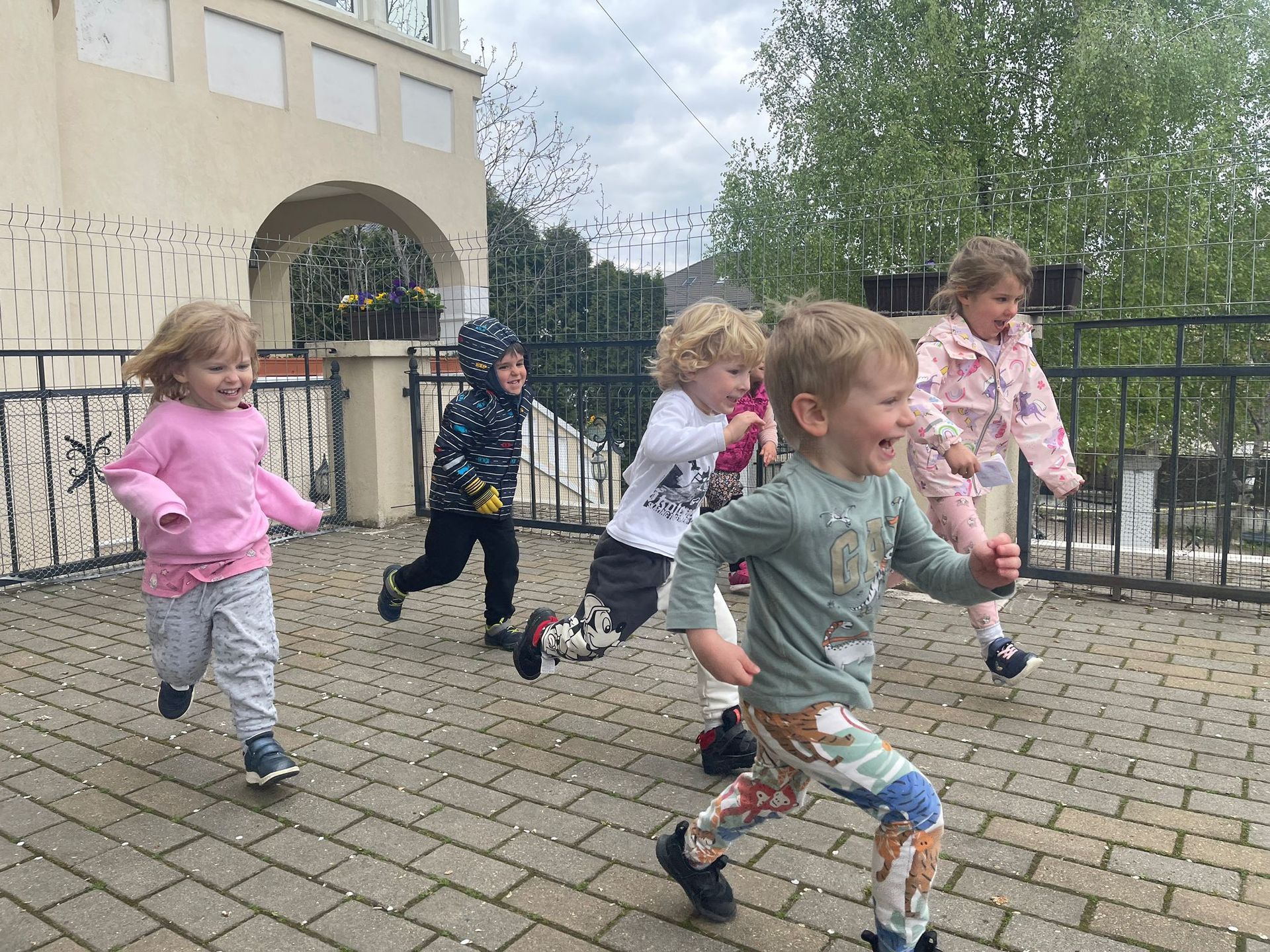
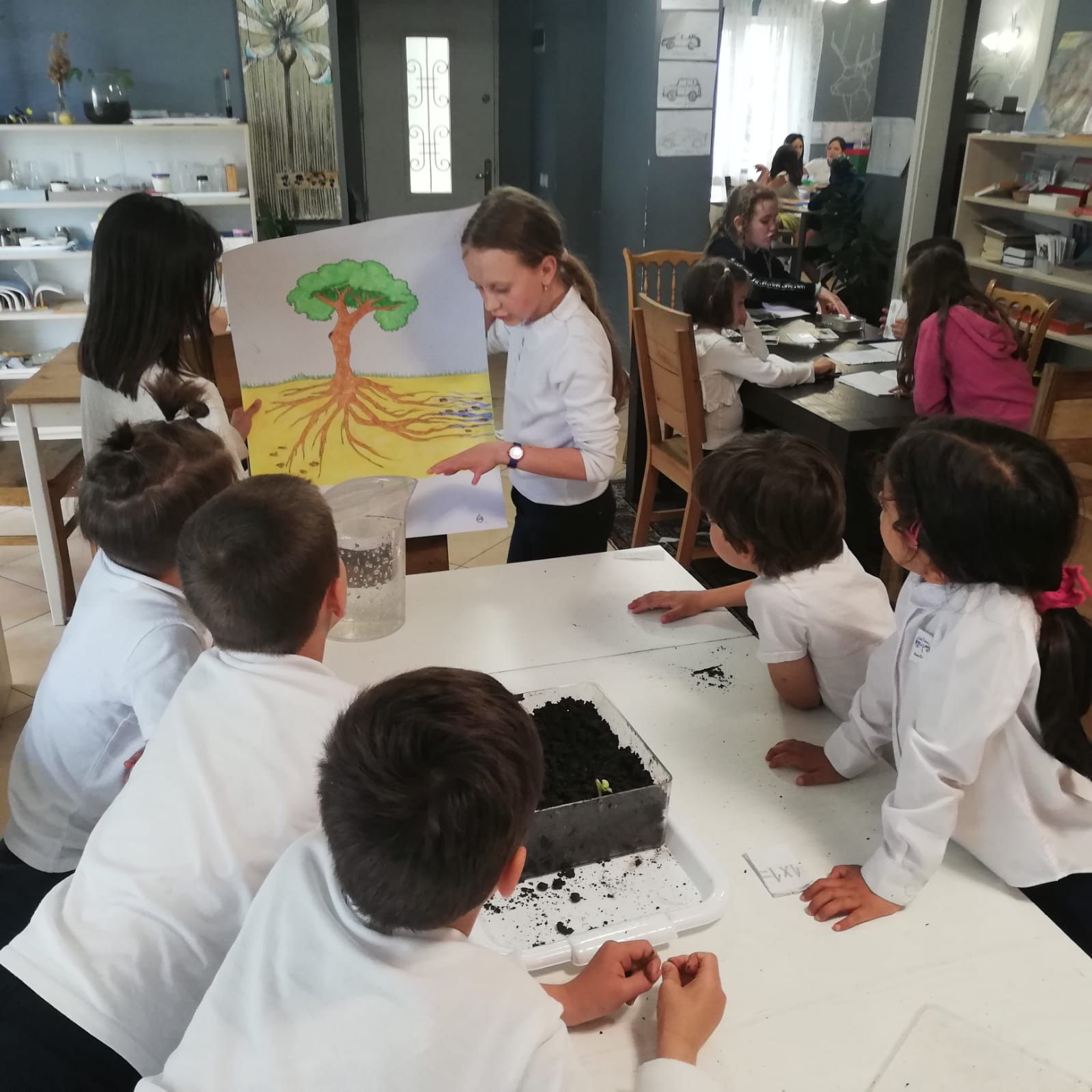
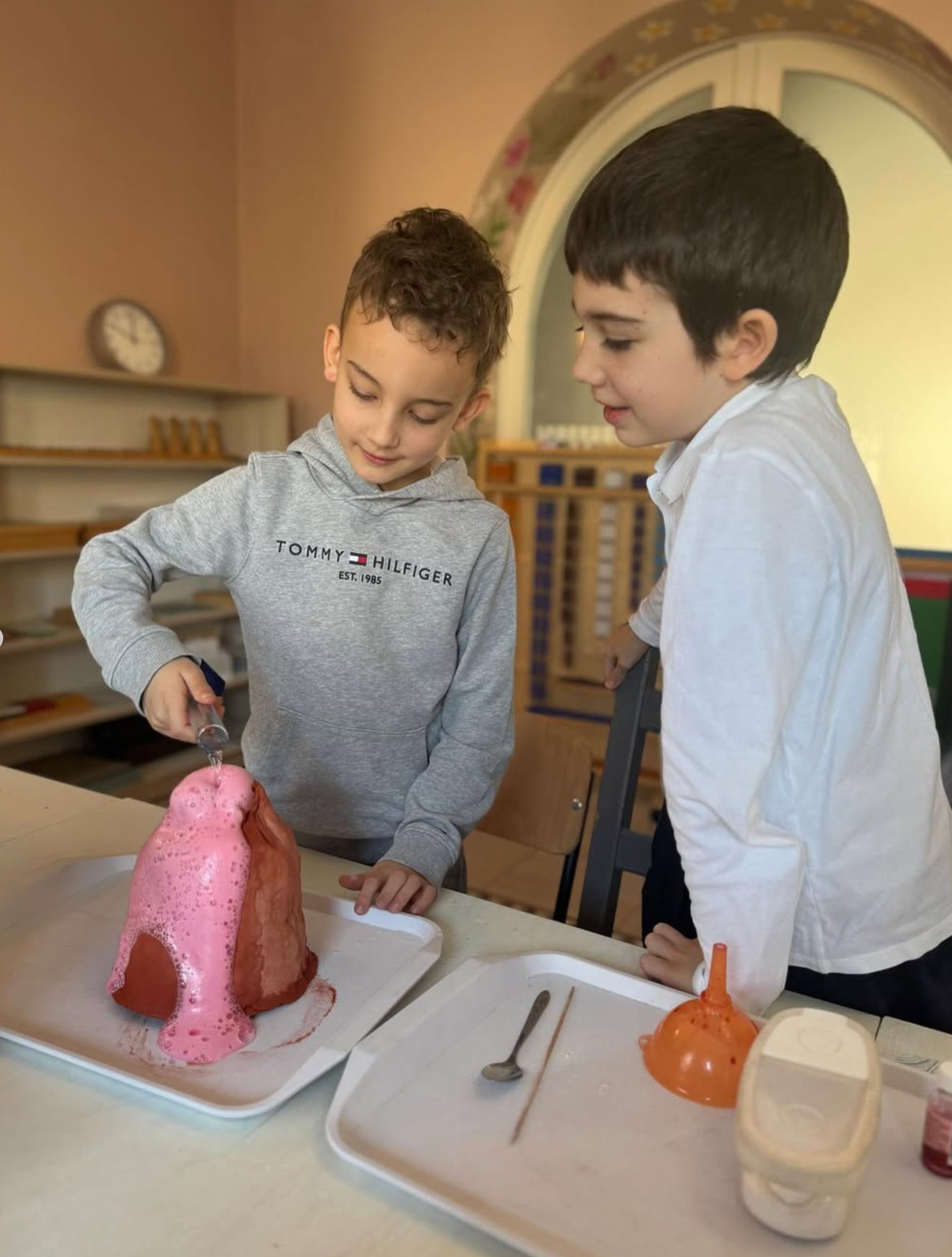
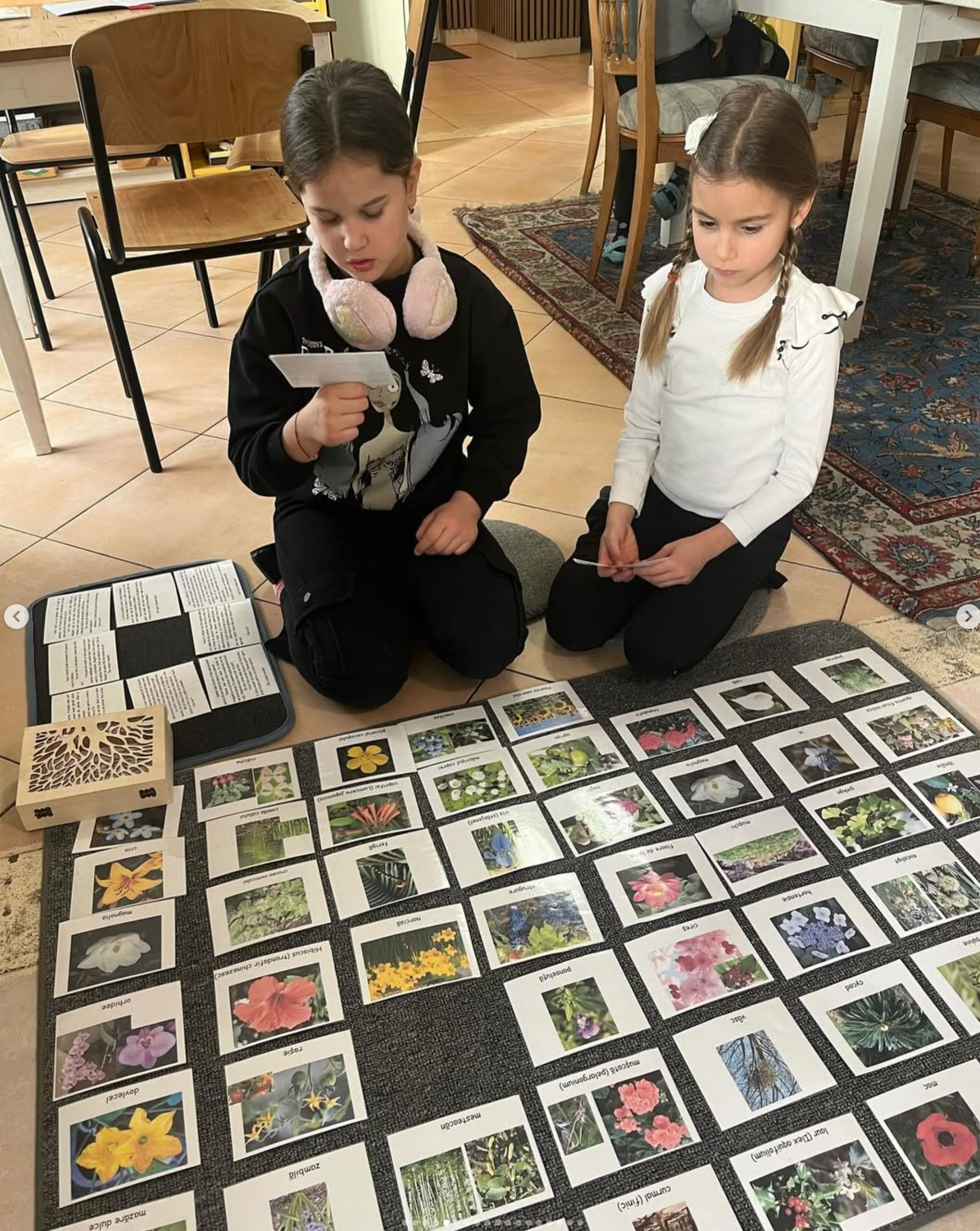
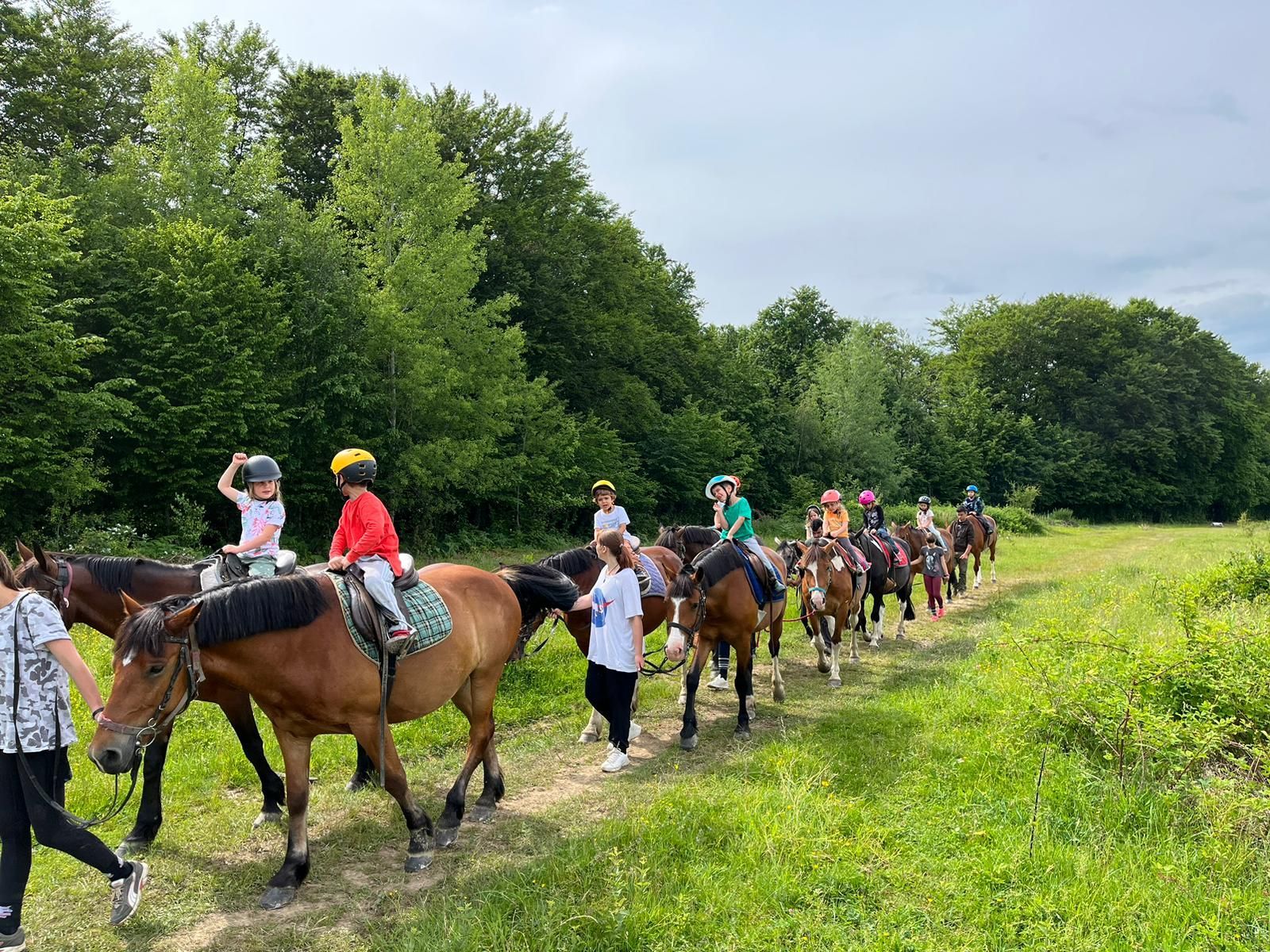
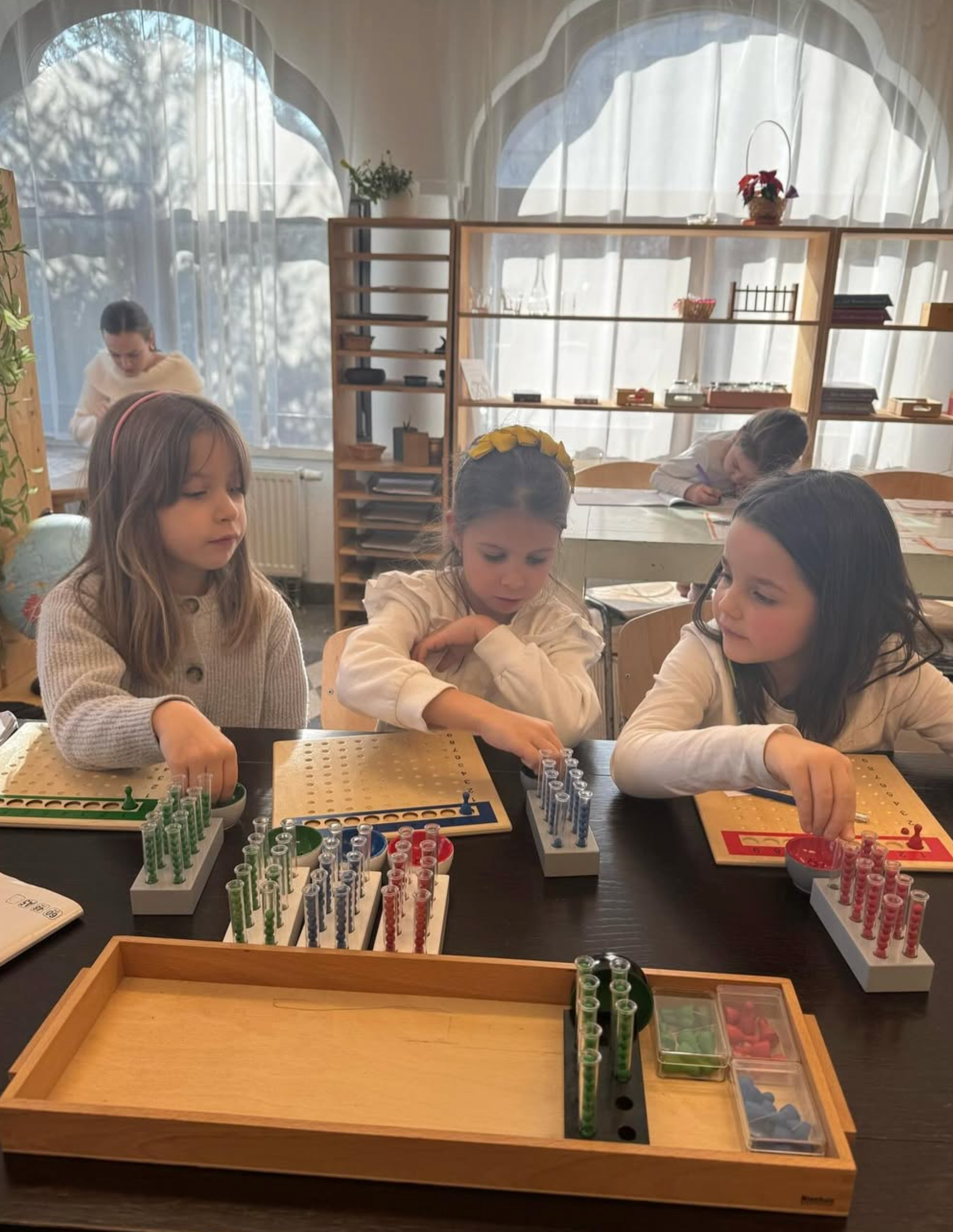
In elementary school communities, classrooms are beautiful and spaces inspire, offering thousands of opportunities to connect with the world and the universe.
The bright, spacious classrooms are carefully prepared to meet children’s developmental needs and arranged to support practical, social, and academic independence as much as possible. Light streams through large windows all around. The walls are uncluttered, and the shelves are filled with materials that invite children to explore every aspect of culture.
We understand that we cannot transfer knowledge directly; instead, each child learns through their own efforts and at their own pace. The adult presents lessons, tells stories, and gives instructions, but learning takes place when the child works: they may discover the process of division using the Test Tube Division material, study the differences between types of flowers, or discuss with a friend why a civilization flourished at a particular time or place.
Our priority is to teach children how to use a material or complete a task, connecting them with their environment so they can explore culture with increasing independence. For primary school children, there are many spaces beyond the main classroom that we prepare for them to use. The building as a whole—the kitchen, library, family room, office and garden—is a prepared environment for the primary community of children.
The child’s excursions beyond the classroom might be to observe a bee moving around a corner of the garden, give a presentation to children in the other classroom, or collect food scraps from the kitchen and put them in the bin. These neighbouring spaces are as familiar to them as the classroom.
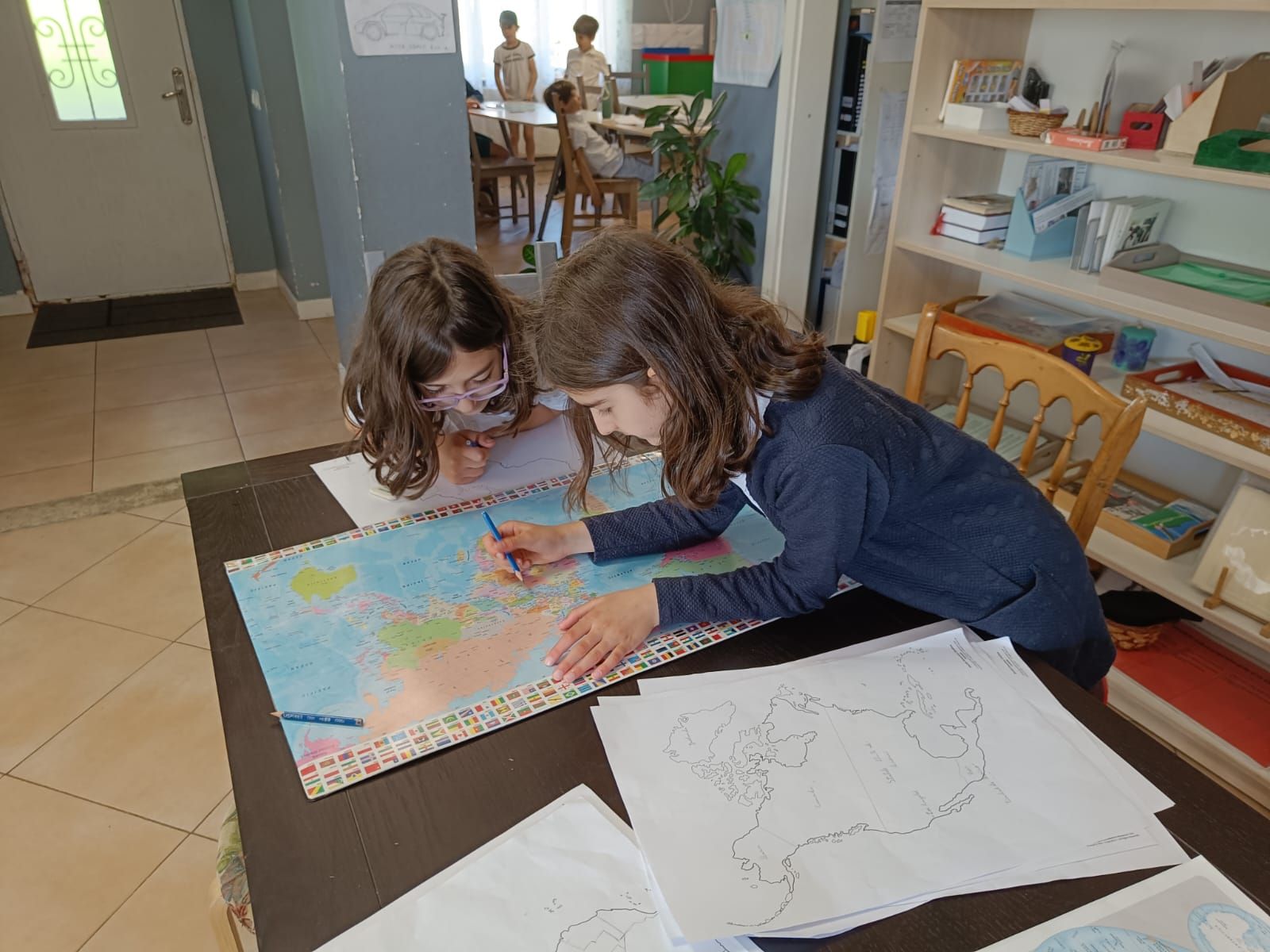
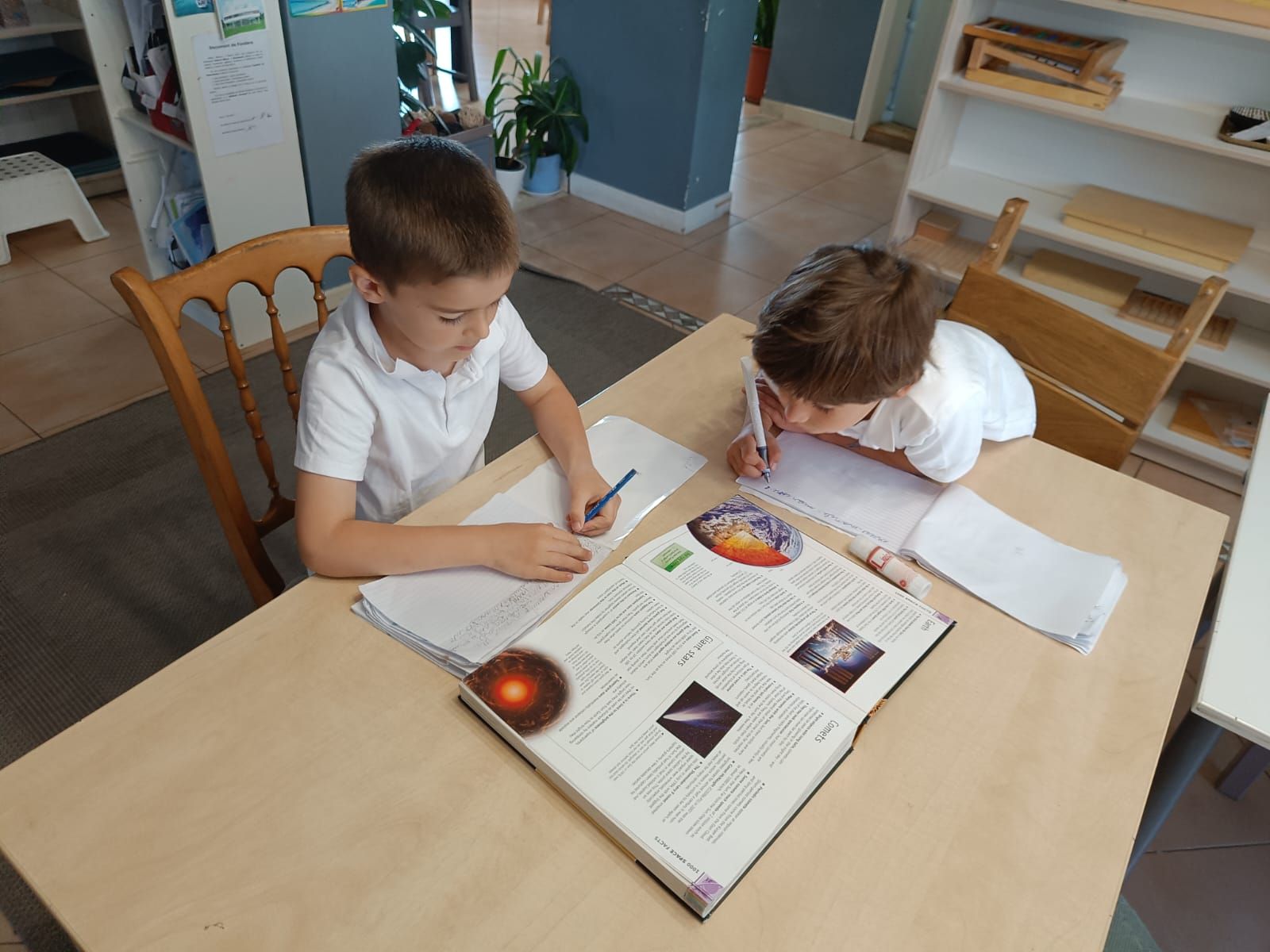
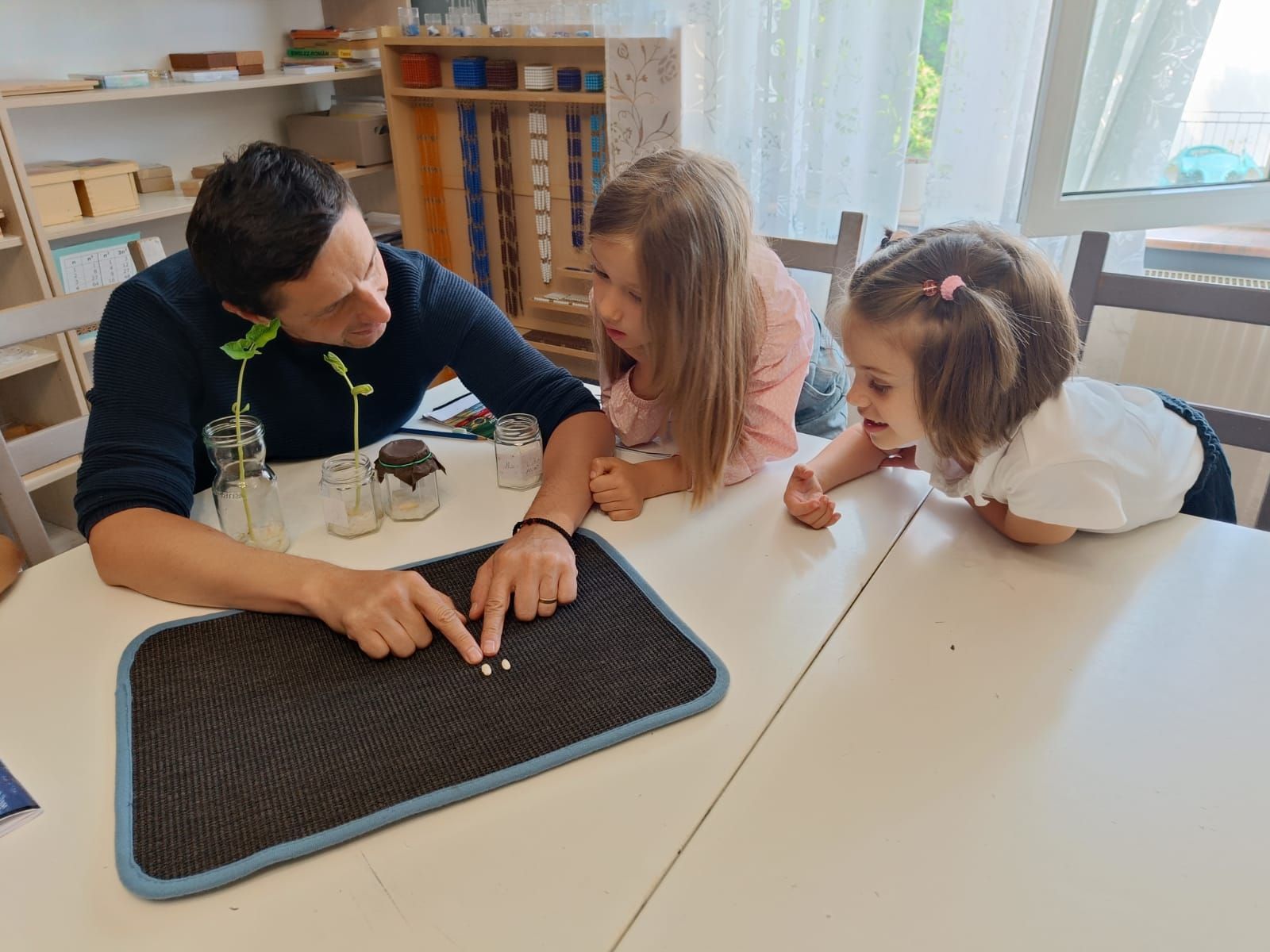
Unpublished work, University of Amsterdam, 1950, by Maria Montessori
Dr Maria Montessori described the education children need at the elementary stage as “cosmic”.
During this cultural period, the child’s questions are endless. They want to know everything. Their thirst for knowledge is so great that people become downright annoyed; adults therefore often choose the easiest path and force the child to be quiet and learn only what adults consider useful for them. But if we do this, learning becomes a boring and tiring task. Genuine interest cannot be forced.
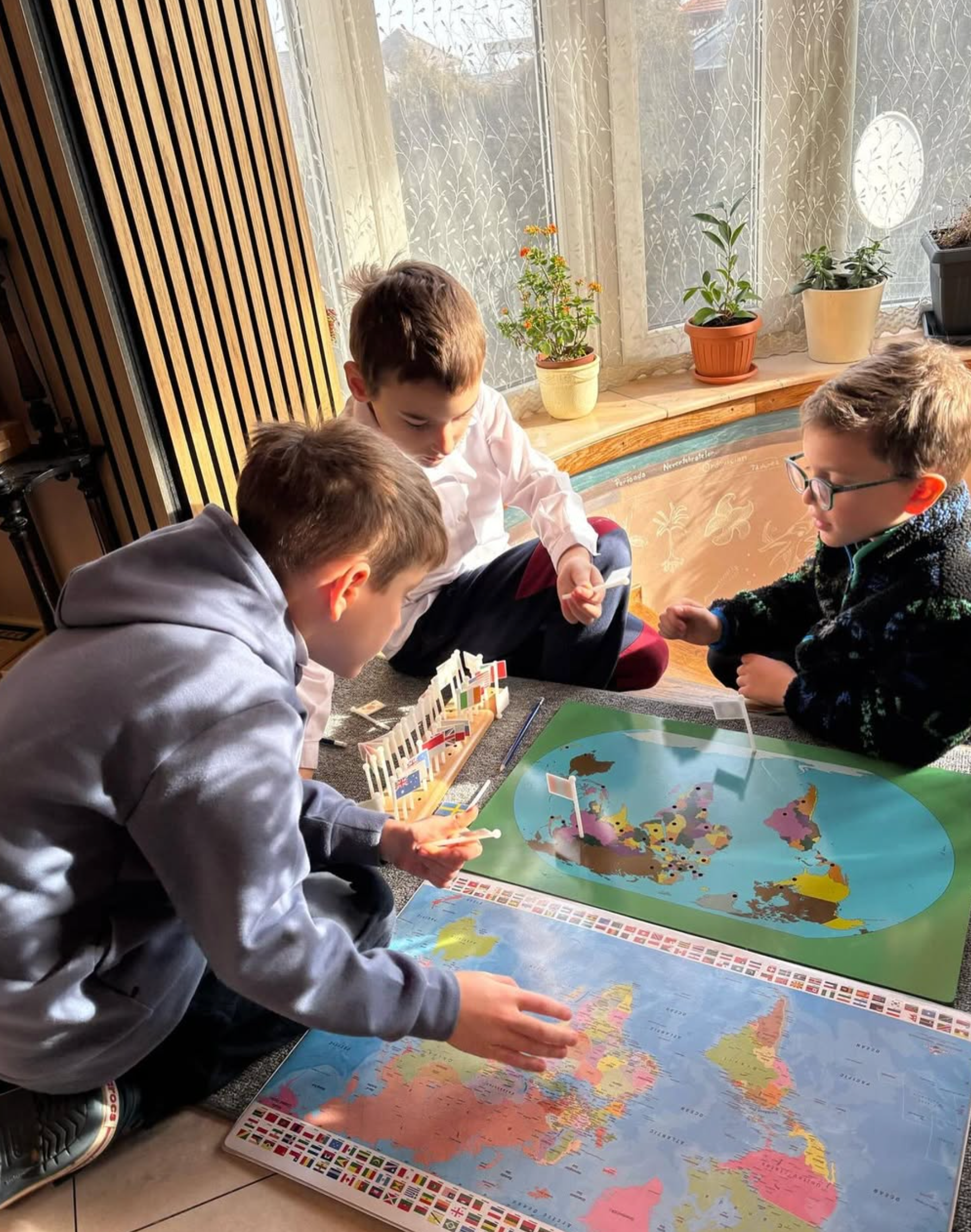
A global view of cosmic events fascinates the child, whose interest will focus on one particular part as a starting point for more in-depth study. Since all the parts are connected, they will be examined sooner or later. The path leads from the whole, through its parts, and back to the whole. As a result, the child develops a kind of philosophy that teaches them about the unity of the universe. This helps organise their intelligence and gives them greater insight.
We offer “everything” through a series of five sequential oral stories
Each story lasts about 30 minutes and is told over a period of 6 weeks. These stories are repeated once or twice a year, and children often come back to listen again:
The First Great Story
The formation of the universe begins with the expansion of the universe and ends with the formation of the Earth
The Second Great Story
The story of the emergence of life begins with water on the surface of the earth and tells how life came into being, gradually increasing in complexity until the earth was ready for a special creature
The Third Great Story
The story of humankind tells of this creature with three gifts: a mind that can imagine, hands that can work, and a heart that can love.
The Fourth Great Story
The Story of Written Communication tells of the first signs and drawings people left as messages, following the journey from the Egyptians to the Phoenicians, Greeks and Romans, and on to writing as we know it today
The Fifth Great Story
The Story of Numbers explores the universe of number systems and the different civilizations we have to thank for our own number system
Conclusion
In addition to offering a narrative explanation of the world around us, these stories express gratitude. Gratitude for the people who invented the tools we use today, and for the help plants and animals provide so that life may continue.
Stories open the door to the study of the Earth, life, and human history.
I put the child’s work in mathematics and language into context. Each story is a starting point for subjects such as physics, chemistry, geography, biology, history, art, music, language, geometry and mathematics. Increasing complexity is offered in each of these areas, while always allowing, for example, geography to become biology and mathematics to become history.
Going Out trips
The second stage of development: 6–12 years
During this period, children rapidly develop considerable physical strength, endurance, and intellectual curiosity about how the society around them works. Developmentally, nature has equipped them with the intellectual and physical abilities to explore beyond the classroom. We support them in this adventure, helping them little by little and step by step to plan and carry out these explorations into society, which we simply call “going out”.
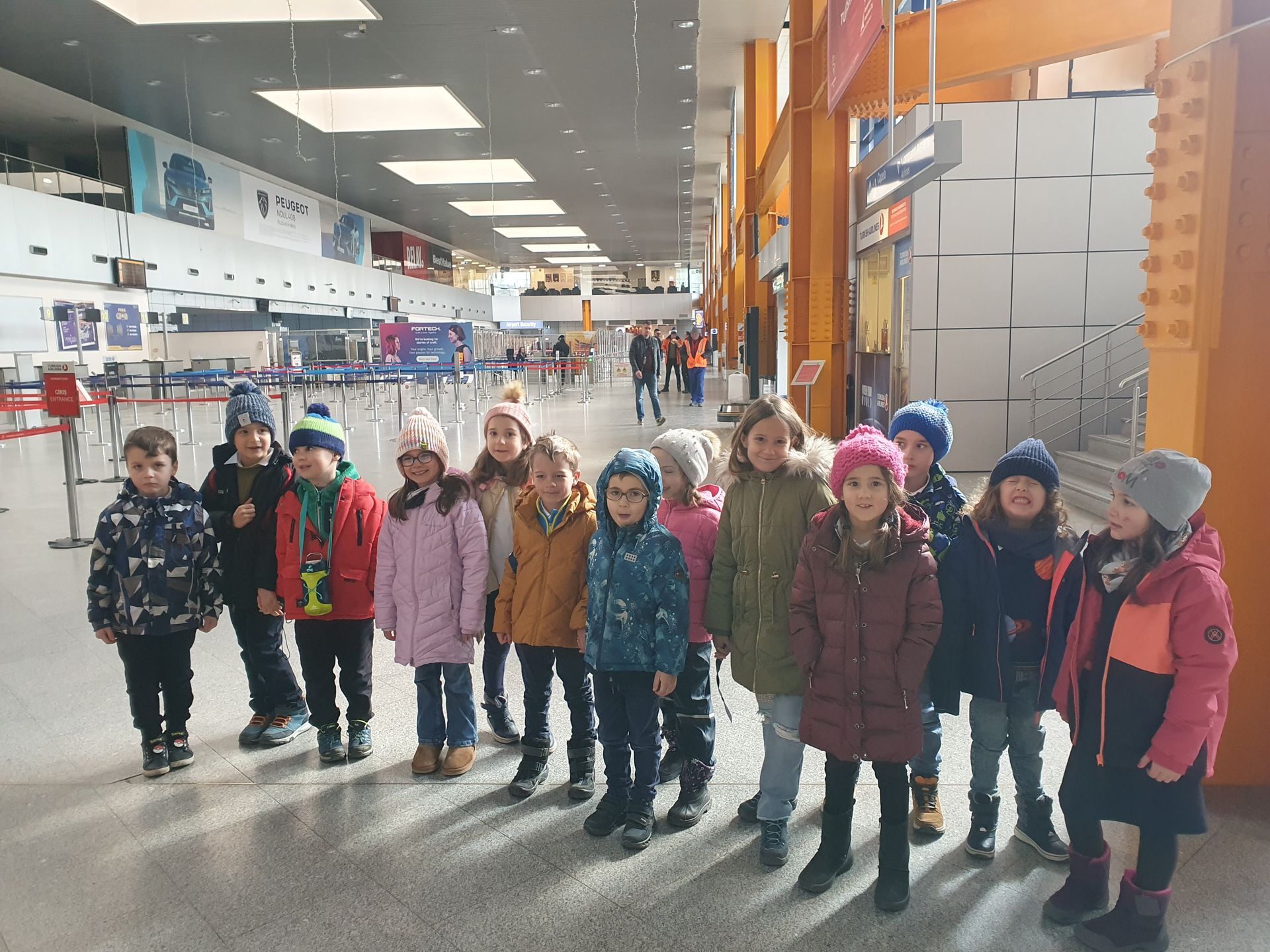
“The foot is noble. Walking is noble. Thanks to their feet, a child who can already walk can expect to receive specific answers from the outside world to their secret questions.” (Maria Montessori)
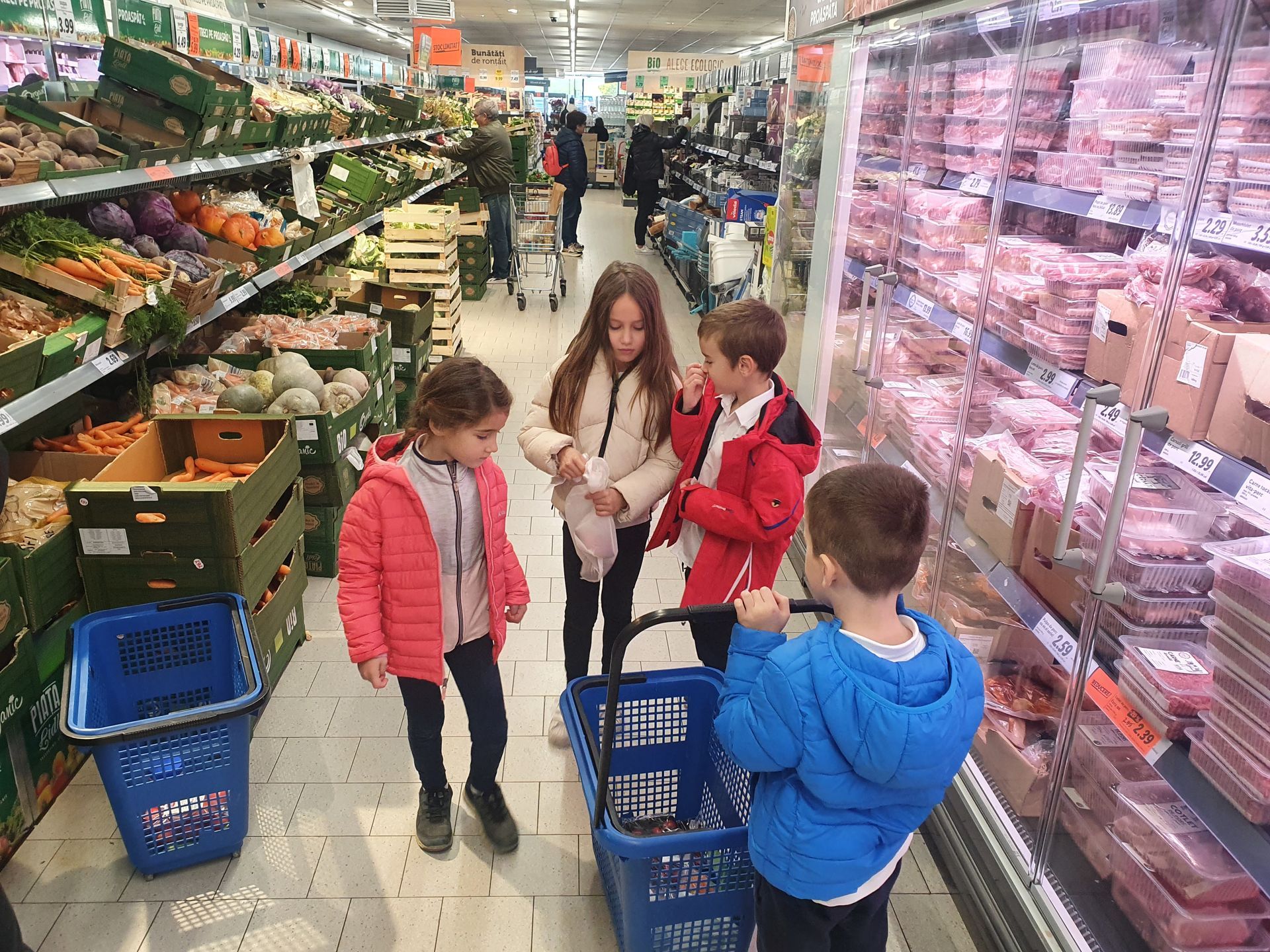
A primary school child’s first instinct, when they want to go outside, is to open the door and leave. Whatever the purpose—buying fruit or flowers, visiting the bookstore, park, or forest—children aged 6 or 7 need help planning what they need and deciding exactly where they should go. Money, maps, clothes, and other people’s plans—all these need to be taken into account.
Montessori School Schedule
To develop and educate themselves, children need to experience the rhythm of a regular presence.
School-age children must have access to an education suited to their age, abilities and aptitudes. As a parent/guardian, you are responsible for ensuring your child attends classes at the school where they are enrolled regularly and on time.
08:00-08:45 - Children arrive
08:00-09:00 - Breakfast
08:15-11:30 - Montessori work cycle
11:30-12:30 - Sports
12:30-13:00 - Lunch
13:00-16:00 - Montessori work cycle
16:00-16:15 - Snack and end of day
16:10-16:15 - School closes
Dress Code
In keeping with Montessori principles, children who come to Montessori Cluj need to be able to move freely and safely both inside the classroom and outdoors.
To ensure your child’s comfort and freedom, we recommend keeping the following suggestions in mind when choosing what they wear to kindergarten/school:
- Clothing should be comfortable and loose-fitting
- Children’s clothes should make it easy for them to dress and undress themselves, supporting the development of their independence.
- Clothing needs to be suitable for the weather outside, helping children understand reality
- Clothing must not feature violent imagery. We want to keep Montessori Cluj a neutral, welcoming place and do not tolerate violent play of any kind.
It is in the child’s best interest to wear comfortable clothes with simple fastenings. For example, when using the toilet, they should not need an adult’s help to undo a buckle.
Seminars for Parents
At Grădinița și Școala Montessori Cluj, we are committed to supporting our parent community as we work together to prepare children for life.
To this end, we organise seminars exclusively for the Montessori parent community on a variety of topics, as well as family workshops.


